5 Ways BMC Health System Is Changing the Landscape of Cardiac Care
February 12, 2026
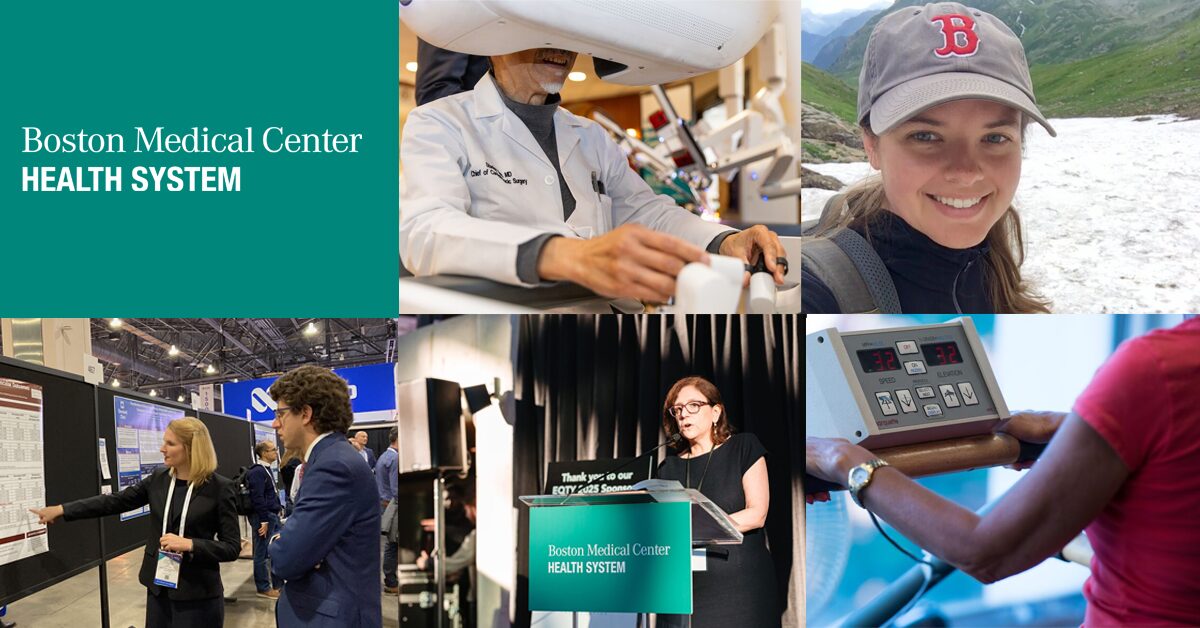
L to R (top row): P1, P2, Boston Medical Center, courtesy of Shauna Moosa; L to R (bottom row): courtesy of Sophie Claudel, P4, P5, Boston Medical Center
From groundbreaking robotic surgery to community-centered rehab and research, Boston Medical Center Health System is redefining how heart care is delivered—and who it reaches.
Heart disease affects nearly half of all U.S. adults, driving innovations from wearable monitors to breakthrough medications. But as cardiac care advances, healthcare leaders are asking key questions: How do we ensure these interventions reach everyone who needs them? How do different organ systems influence heart health? And what does recovery look like for patients dealing with cardiac symptoms that don’t fit traditional disease models? Boston Medical Center (BMC) Health System is actively investigating and addressing these questions head on, from achieving unusually high cardiac rehab attendance rates to validating new disease frameworks that could reshape early intervention.
Here’s are five recent ways BMC Health System is empowering patients and communities to take charge of their heart health and rethinking heart care for a changing landscape.
1.BMC cardiac rehab program achieves equal outcomes across income levels
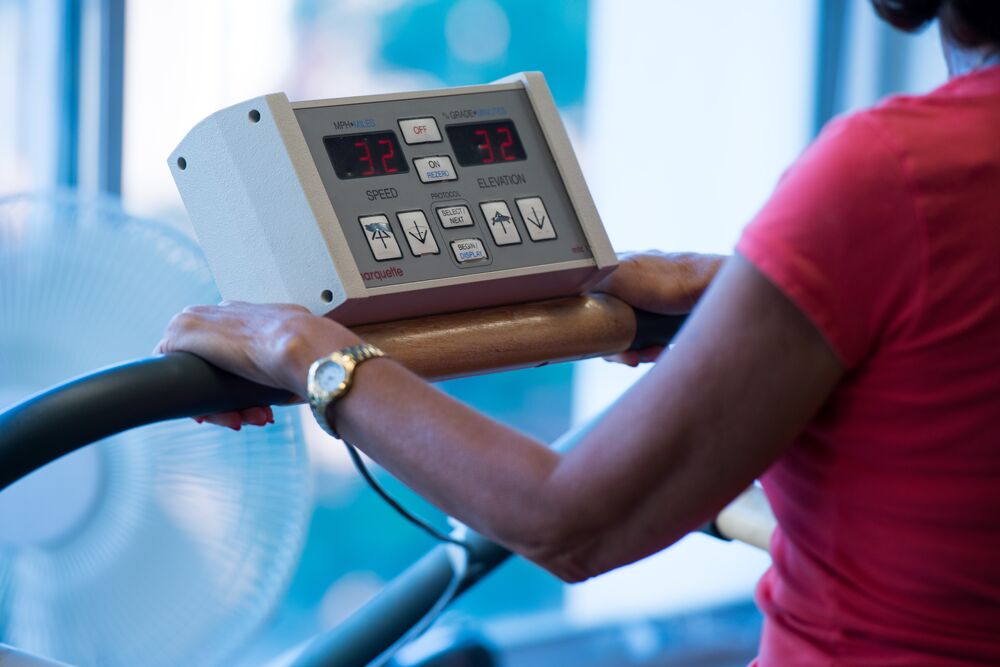
Cardiac rehabilitation programs reduce patients’ symptoms, prevent future hospitalizations, and improve overall prognosis—when they are regularly attended. This means they are an essential part of care management for cardiovascular disease, which is the leading cause of death in the U.S.
But cardiac rehab programs in the U.S. report an average drop-out rate of 24 to 50%. Which makes BMC’s program a stand-out: It reports a 70% attendance rate. The key to that attendance rate, the team says, is removing obstacles people face to get to appointments—whether that’s adjusting hours so people can fit appointments in their schedules, assisting with transportation options, or communicating with patients in their preferred language. And what’s even more notable about these attendance rates? They are stable across socioeconomic status. Read more to learn strategies that have made BMC’s cardiac rehab program so effective for all.
2. BMC hosts symposium for inclusive innovation in cardiometabolic health
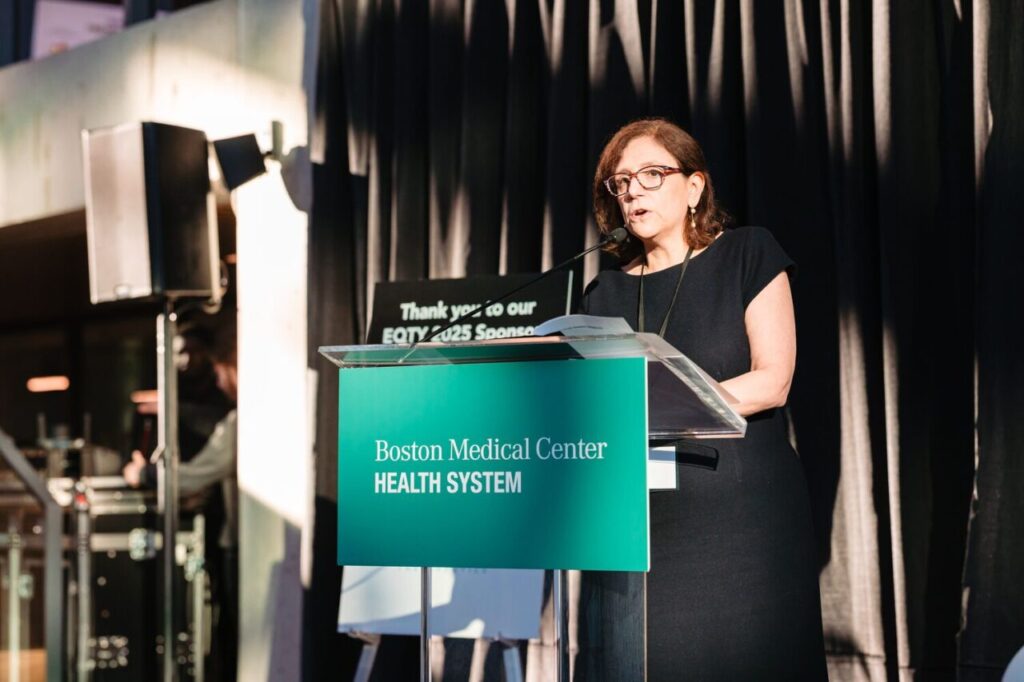
A 2022 American College of Cardiology study revealed that only 1 in every 14 Americans have optimal cardiometabolic health. Heart disease, diabetes, hypertension, and other similar conditions put a strain on patients and healthcare systems and widen existing inequities. It’s no surprise that biotechnology and pharma sectors are developing tech, interventions, and medicines to counteract this public health concern. However, in a world of wearables, GLP-1s, and other headline-making advances, it’s crucial to ensure that access to these advances is equitable.
In October, BMC hosted its Advancing Medicine Research Symposium, convening healthcare leaders, researchers, and industry partners to discuss community-informed research and development.
Read how BMC and its partners are reimagining research and community partnerships to remove barriers to care and ensure access to transformative interventions for the people who need them the most.
3. “Everything is fair game in Long COVID land”: A look into BMC’s ReCOVer Long COVID Clinic, four years in
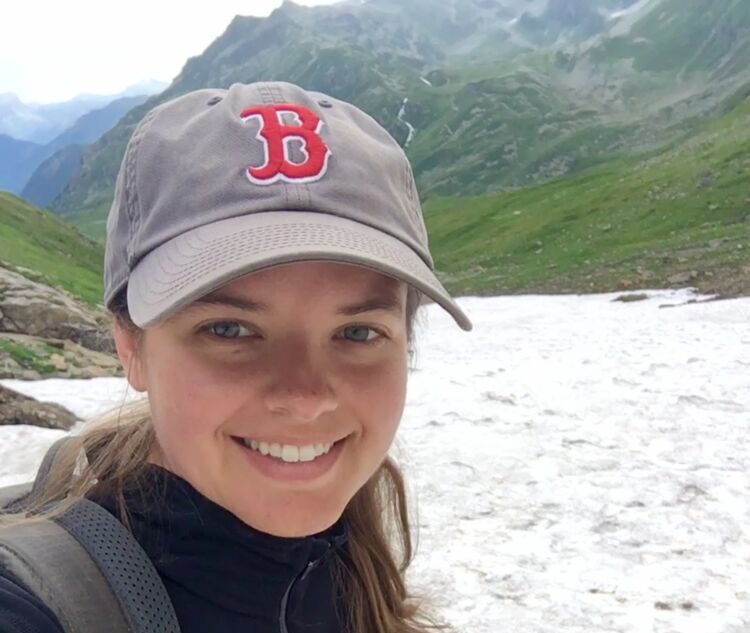
Despite receiving a clinical definition in 2021 by the World Health Organization, long COVID patients still face difficulty being diagnosed due to the constellation of symptoms. Many of those symptoms are heart-related, which is why BMC’s ReCOVer Long Covid Clinic includes cardiologist, Naomi M. Hamburg, MD, MS.
Patients have travelled from across New England and even the country to be diagnosed and treated for their long covid symptoms at BMC. Hamburg notes that including cardiology in the clinic’s multidisciplinary model may explain this high patient volume, as most other programs focus on pulmonology or neurology. While it’s not exactly a heart disease, the heart symptoms can be alarming to patients, she says, so people want the expertise of a cardiologist. Heart-related long covid symptoms include chest pain, palpitations, tachycardia, dizziness, or shortness of breath with exercise.
One of the program’s most distinctive tools is advanced cardiopulmonary exercise testing, the breathing dysfunction program, and targeted exercise program. Read more to see how BMC is demystifying the disease and helping patients address the vast array of symptoms through a multidisciplinary model.
4. BMC researcher Sophie Claudel is redefining how we understand heart and kidney disease
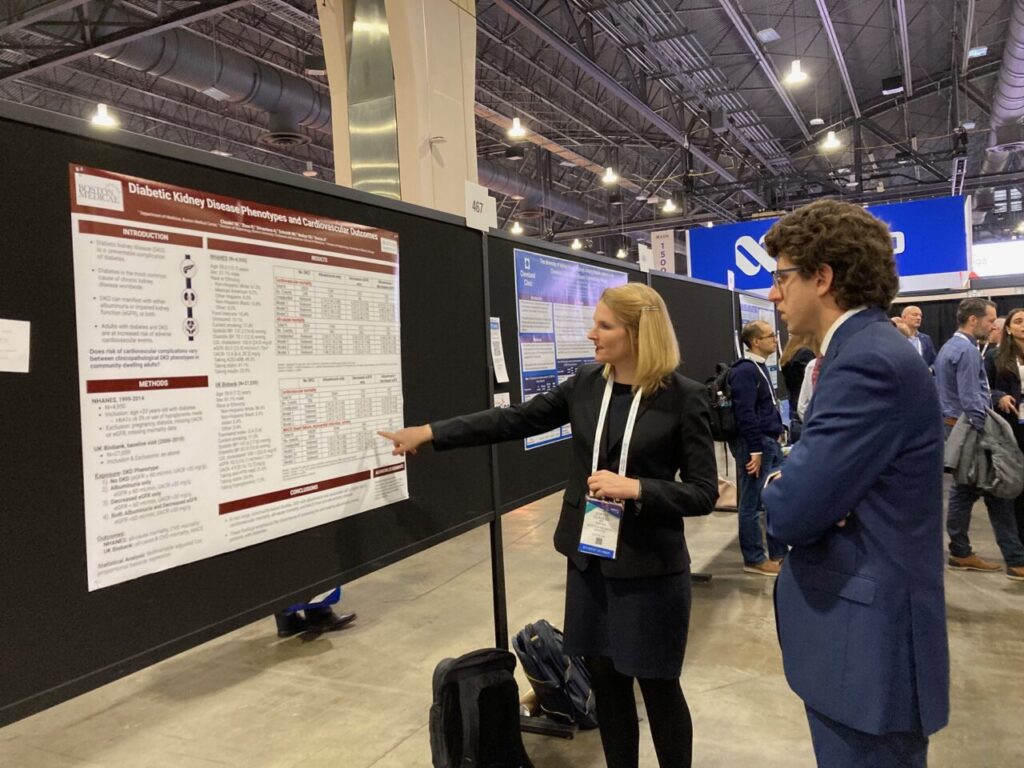
Introduced in 2023, CKM syndrome is a new way of thinking about the connection between cardiovascular disease, kidney disease, and metabolic disorders, such as diabetes and obesity, within one integrated classification system. This way of thinking takes into account how the decline of one of these organ systems can accelerate the dysfunction of another. When it was built, it was a theoretical five-stage framework, zero to four, with stage four representing advanced disease. The idea was that it would help clinicians identify cardiovascular mortality risk earlier, in time to intervene more effectively.
Last year, Sophie Claudel, a nephrology fellow at BMC, earned national recognition as one of STAT’s 2025 Wunderkinds for her work validating this theoretical syndrome, an award given to early-career researchers who are shaping the future of medicine.
Claudel is now working to advocate for both medical interventions and addressing the social barriers to health and healthcare that may impact progression at early stages of CKM syndrome. A key piece is giving patients transparency, empowering them to be active participants in their health.
“[Stage 1] is where education, nutrition counseling, and community programs can have the biggest impact,” she says. “If we can reach people early, we can change the trajectory.” Read more to learn about CKM syndrome and how to tailor interventions that may curb further progression.
5. ‘The sky is the limit’ for who could benefit from BMC Brighton’s new surgical robot
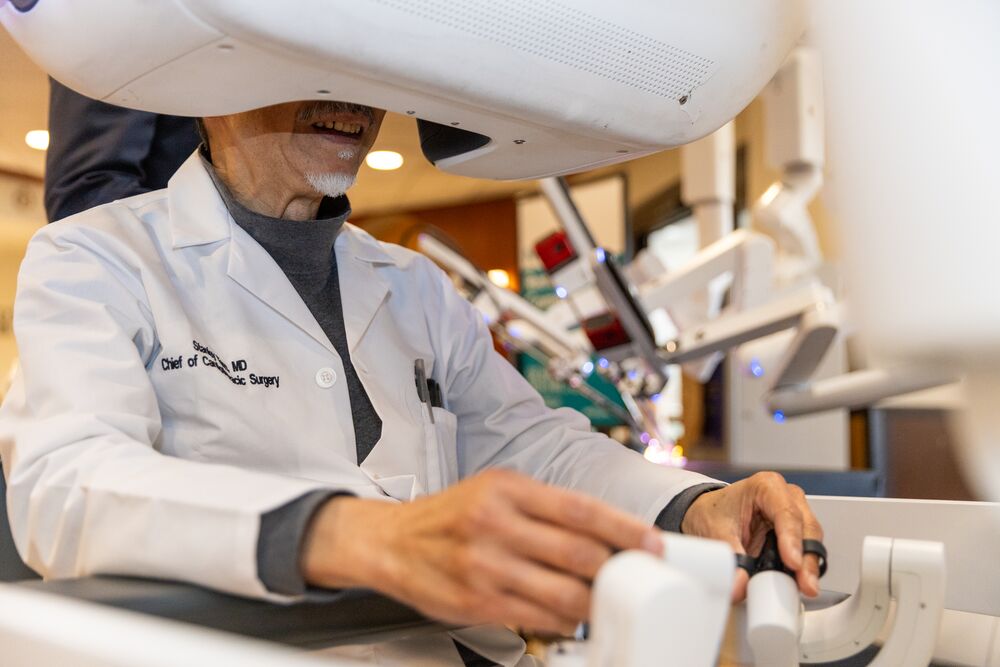
When Michael O’Connor, MD, joined Boston Medical Center – Brighton, he brought with him his expertise in minimally invasive robotic surgery. With the support of hospital leadership, he led the charge to bring to campus the da Vinci 5, Intuitive Surgical’s latest and most advanced robotic surgical system. When BMC Brighton started using the DV5, they were one of only five hospitals in New England to have the technology.
A thoracic surgeon, O’Connor focused on the applications in his field, including interventions in lung cancer, but its benefit could go far beyond just thoracic patients. In January 2026, the Food and Drug Administration approved the DV5 for many cardiac procedures, including mitral valve replacement.
With shorter procedures and expedited recovery times, minimally invasive, robotic-assisted surgeries can benefit patients and the experienced providers. Read more about how Dr. O’Connor is using the technology at BMC Brighton and his perspective on the future of the technology as part of this community hospital.
About the Author

Isabella Bachman
Isabella Bachman is the Content Manager at Boston Medical Center.
Share on Social

Health equity news from Boston Medical Center
HealthCity is dedicated to sharing the most cutting-edge ideas for advancing health justice through inspiring stories, in-depth Q&As with equity pioneers, research news that could change the medical landscape, and more.