Cracking the Code: One Family’s Journey to Genetic Answers in an Essential Hospital
July 10, 2025
By Elizabeth Agneta, MD, By Melissa Blake, MD, By Edgar Garcia Saiz, MD, By Estelle Green, MD, By Elizabeth Soffer, MD, By Rita Wang, MD

Getty Images
Two parents bond with their newborn in the hospital.
Genetic medicine holds promise for many but is available to few; this is what healthcare providers, policymakers, and scientists can do to change that.
Baby Jean’s first few weeks of life were anything but ordinary. Instead of going home to a quiet nursery, Jean’s family spent their earliest days in the Neonatal Intensive Care Unit. Born by emergency C-section, Jean’s birth was complicated by septic shock and brain injury, resulting in multi-organ damage. Doctors suspected a serious infection, but determining the exact cause of his illness was complicated. After three weeks of IV antibiotics and careful monitoring, Jean was finally able to go home.
Unfortunately, just a few weeks later, Jean’s mother found herself back in the emergency room when Jean had a new fever. Jean’s family was terrified as the emergency room staff obtained several laboratory tests in the blood, urine, and cerebrospinal fluid, ultimately finding yet another serious infection. With not just one, but now two severe infectious at barely six weeks of life, his doctors began to wonder: could there be something more going on beneath the surface?
The hidden world of genetic testing
This is where the story takes a turn into the world of genetic medicine. Jean’s medical team suspected he might have a primary immunodeficiency, a rare condition where the body’s defenses against infection don’t work as they should. To find out, they needed to order genetic testing. But for families like Jean’s, and for the care teams who serve them, getting access to these tests is often a journey of its own.
At Boston Medical Center (BMC), the genetics team is small but extremely dedicated to the patients and families they care for. They see patients of all ages and help families navigate the maze of genetic testing. Their job isn’t just about science; it’s about guiding families through tough decisions, explaining what tests mean, and helping them understand the costs and logistics involved.
Ordering a genetic test starts with a question: Is there a reason to suspect a genetic problem? If so, the next step is to figure out which test is right. This isn’t always straightforward. There are hundreds of tests, and choosing the right one depends on the patient’s symptoms, family history, and what the care team is looking to understand.

The steps—and stumbles—on the way to answers
Once a test is chosen, the family must give informed consent. This means understanding not just what the test might show, but also what the results might mean for their child and even for themselves and other family members. The genetics team spends time explaining these details, making sure families aren’t left in the dark. Health literacy is critical in this step, as it’s a complex discipline, and many families may struggle to truly understand the potentially nuanced and impactful consequences of learning the results of their child’s genetic sequencing tests.
But then come more hurdles. The cost of genetic testing can be steep. Some basic tests, like a karyotype, may cost around $400. And the primary immunodeficiency panel Jean needed typically costs $1,500, comparable to the cost of a heart ultrasound. More advanced tests, such as exome or whole genome sequencing, can cost between $4,000 and $6,000.
Meanwhile, insurance coverage is patchwork. Only 14 states currently mandate coverage of genome sequencing for children on Medicaid. Even for families with private insurance, their access to genetic testing is also complicated by bureaucratic trails of paperwork, prior authorizations, or additional clinic visits. Administrators and insurance companies are prone to viewing genetic testing as a luxury rather than a necessity. Undervaluing the power of securing a genetic diagnosis has associated implications on the coverage of genetic testing.
If insurance doesn’t cover the full cost, families can be left with insurmountable bills. While some labs offer financial assistance, applying for these programs can be cumbersome, requiring high degrees of health literacy, and more than anything, persistence and advocacy from all parties involved. This system is especially overwhelming for families already juggling a sick child, work, and other responsibilities.
Even after a test is ordered, the wait isn’t over. Genetic tests can take months to come back. And when they do, the results aren’t always clear-cut. Sometimes, the test finds a change in a gene, but it’s not known whether that change actually causes disease. Interpreting these results requires real expertise, and the genetics team works closely with families to explain what the results mean and what they don’t.
The bigger picture: advocacy and access
Jean’s story is just one example, but it highlights a bigger issue. For families with public insurance like Medicaid, the hospital is reimbursed at a fraction of the rate. For example, a one-hour genetics clinic visit is reimbursed at $330 by private insurance, but only $56 by Medicaid. This huge gap makes it hard for essential hospitals to keep their genetics programs running.
Advances in genetic medicine have the potential to transform care, but only if everyone has access. Right now, too many families, especially those served by essential hospitals, face barriers that can delay or even prevent them from getting the answers they need.
Across the U.S., there are only about seven genetic counselors and two medical geneticists for every 500,000 people, according to a 2020 CDC report. This shortage is felt most acutely in essential and rural hospitals, where many sites have no genetic experts at all. As a result, families often face a confusing and difficult process to get genetic testing, and many providers without specialized training may find it difficult to interpret or explain results, sometimes leading to missed diagnoses or gaps in follow-up care.
Luckily, BMC has a dedicated team of sub-specialists who work in concert with departments across the hospital to incorporate genetic testing when needed. Their teams bring families along in the discussion with their unique expertise caring for patients in the largest essential hospital in New England.
For Jean’s family, the genetics team was a lifeline. They helped coordinate care, explained each step, and made sure that Jean’s parents understood the process. They also advocated for the family, working behind the scenes to get the test approved and to minimize out-of-pocket costs. Jean’s medical team is working to get a clear diagnosis, but his treatment is progressing, and his family has access to the care and resources that he deserves.
Jean’s journey is a reminder to healthcare providers, policymakers, and scientists alike: The promise of genetic medicine has powerful impacts in improving children’s health, but along with these advances are the challenges to access that families will continue to face without expanded policies and health insurance coverage. It takes teamwork, advocacy, and compassion to make sure no family is left behind.
*Names and certain identifying information have been changed to protect patient privacy.
About the Author

Elizabeth Agneta, MD
Elizabetha Agneta is a junior resident in the Boston Combined Residency Program. She went to medical school at Boston University and also studied Biological Anthropology there.

Melissa Blake, MD
Melissa Blake, MD, is a resident physician in the Boston Combined Residency Program’s Leadership in Equity and Advocacy (LEAD) Track. She is passionate about advancing health equity and shaping health policy to better support families from underserved backgrounds.

Edgar Garcia Saiz, MD
Edgar Garcia Saiz, MD is a resident physician in the Boston Combined Residency Program and the Leadership in Equity and Advocacy (LEAD) track. He is passionate about health policy with the goal of creating resilient systems that can support immigrant and LGBTQ+ populations.

Estelle Green, MD
Estelle Green, MD is a resident physician in the Boston Combined Residency Program’s Leadership in Equity and Advocacy (LEAD) Track.
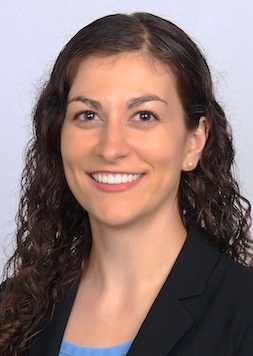
Elizabeth Soffer, MD
Elizabeth Soffer, MD is a resident physician in the Boston Combined Residency Program.

Rita Wang, MD
Rita Wang, MD, is a resident physician in the Boston Combined Residency Program and the Leadership in Equity and Advocacy (LEAD) Track. She is passionate about health equity and community partnerships, with a focus in health policy and working with immigrant populations.
Share on Social

Health equity news from Boston Medical Center
HealthCity is dedicated to sharing the most cutting-edge ideas for advancing health justice through inspiring stories, in-depth Q&As with equity pioneers, research news that could change the medical landscape, and more.