How One Center Offers a Beacon for Families and Professionals After Infant or Child Loss
February 5, 2026
By Meryl Bailey
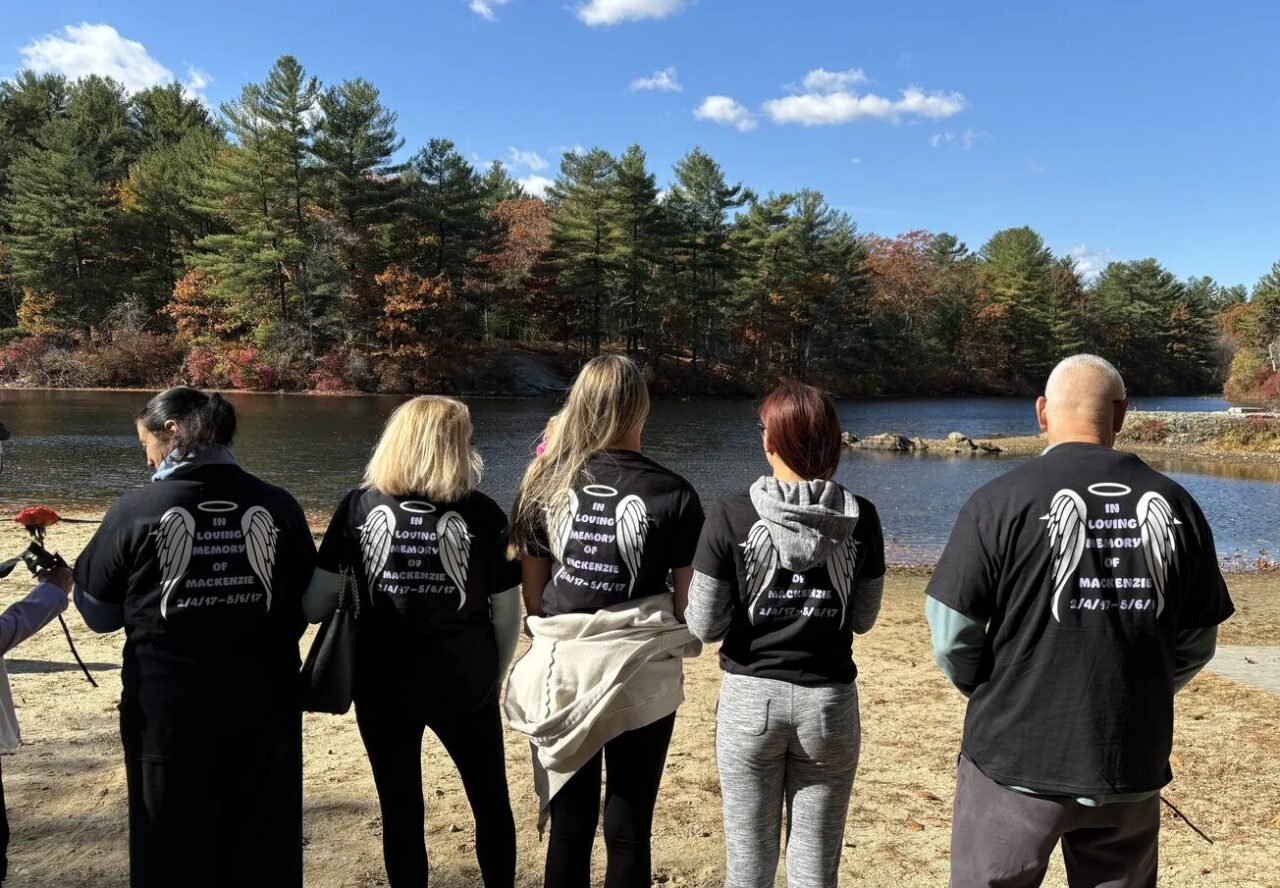
Courtesy of the Massachusetts Center of Unexpected Infant and Child Death
Walkers at MCUICD's annual Walk to Remember wear sweatshirts memorializing their loved one while overlooking a lake at Breakheart Reservation in Saugus, MA.
A Boston-based center provides crucial support to grieving families while training professionals to respond with compassion—offering a model that could help address people impacted by the nation's rising infant mortality rate.
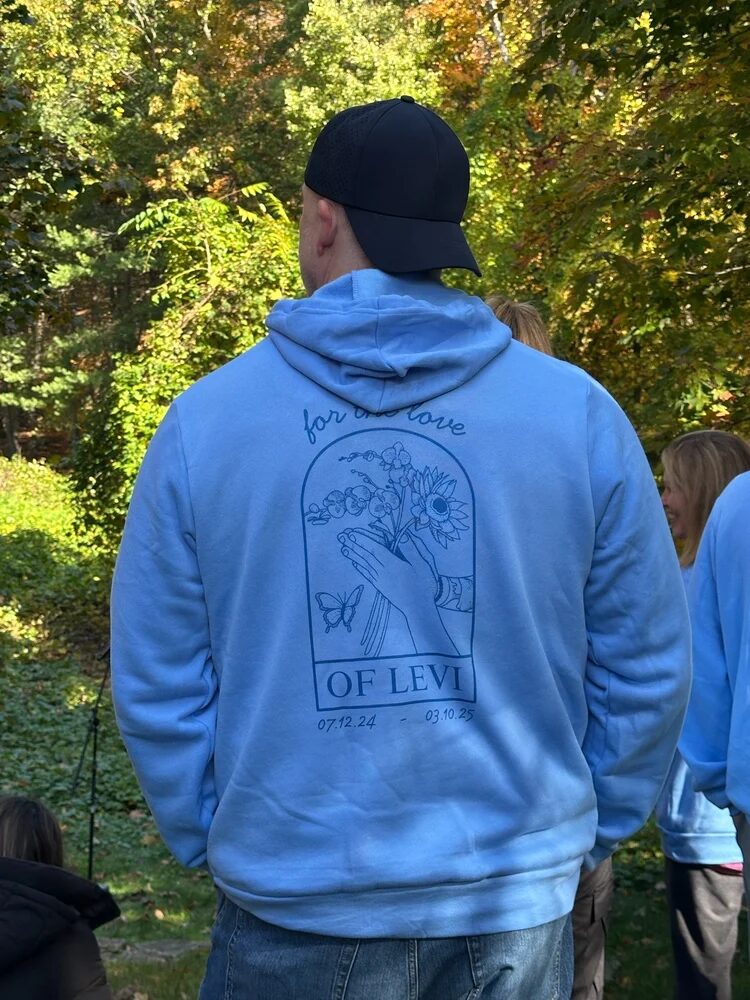
Marci Sutkowski’s entire world was shattered when she received the phone call. During a morning nap, her 8-month-old grandson Levi died from accidental suffocation. Sutkowski and her family were instantly plunged into shock and confusion and immersed in the complex and invasive state protocols surrounding sudden unexpected infant death (SUID). Unsure where to turn, Sutkowski found a path forward when a neighbor mentioned the Massachusetts Center for Unexpected Infant and Child Death (MCUICD). She soon connected with the MCUICD Bereavement Specialist, Shelly Bathe Lenn, M.Ed., CAGS.
“I didn’t have a therapist. I didn’t have any of the tools that I really needed,” Sutkowski explains. “Shelly made a point to check in with me once or twice a week and just let me tell my story.”
Founded in 1975 and housed at Boston Medical Center, MCUICD is a leading resource on SUID. The Center helps families and professionals navigate the trauma of sudden infant and child loss, educating families on the Commonwealth’s investigative process and connecting them with resources for clinical and emotional support. The Center also partners with local and state entities, providing statewide training to professionals and first responders, including law enforcement, medical examiners, and child welfare workers, to help them meet professional mandates while lessening secondary trauma to themselves and families experiencing loss.
MCUICD emerged in response to the rising awareness of sudden infant death syndrome (SIDS). Defined as the sudden, unexpected death of an infant less than one year of age, with no apparent cause of death even after a thorough investigation, SIDS deaths peaked in the Commonwealth in the 1980s, averaging 120 deaths annually, before the “Back to Sleep” public health campaign dramatically reduced cases. SUID, which encompasses SIDS as well as sleep-related accidents, is the leading cause of mortality in babies from one month to one year, and concerningly, rates are rising nationally. Steep racial health disparities also remain, with Black non-Hispanic infants at three-times higher risk than white infants. Researchers believe long-standing inequities in Black maternal health care and other social determinants of health contribute to this heightened risk.
Today, MCUICD has expanded its mission to support parents coping with pregnancy loss, stillbirth, and the sudden, unexpected death of a child (SUDC) under age 3. MCUICD Program Director Shari Krauss, MPH, explains that the shift was a deliberate effort to expand their efforts and programming beyond a single diagnosis.
“While you can’t change the tragedy that has occurred, you can affect the trajectory of the family’s grief by way of supporting them,” she says. “We wanted to be really intentional to embrace families who may not be impacted by SIDS but would benefit from working with our center.”
Guiding families through tragedy
Sutkowski was balancing two personas after her family’s tragedy: she was a grandmother and close caregiver of Levi, drowning in her own grief, and a mother watching her son endure a level of suffering no parent should ever know.
“It’s a loss like no other, and for me, I can’t help my son. There’s nothing I can do to help him. And that’s a horrible feeling,” she says.
The Center’s support is tailored to each family’s needs. For Sutkowski, it was both emotional and practical. Weekly sessions with Lenn helped Sutkowski navigate her immediate grief. Meanwhile, MCUICD staff secured an in-person therapist in her community and referred her to the Robert’s Program at Boston Children’s Hospital, ensuring the family had access to targeted diagnostic testing and clinical assessments that could potentially help them find answers regarding Levi’s death.
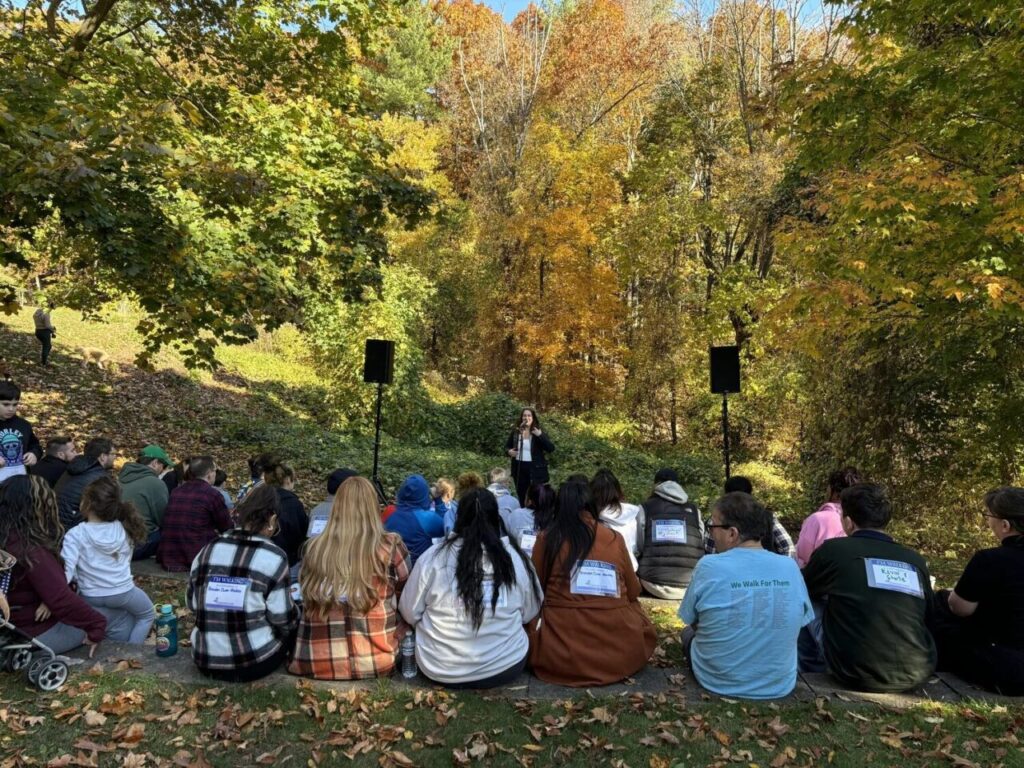
Most powerfully, the Center offered Sutkowski a feeling of community. MCUICD introduced Sutkowski to another grandmother who understood her specific feelings of grief and helplessness, and the two connected immediately. Sutkowski also found her voice at the Center’s annual Walk to Remember, a public gathering to recognize children who were lost too soon.
“I’ve come to find out I’m a loud griever, which I did not know. I’m not a very extroverted person, but I love talking about him. It’s so healing. So, when I wrote that remembrance and was there to share it, it was such a healing experience,” she recalls.
Equipping professionals
Multiple state and local agencies investigate cases of unexpected death in infants and children. Although these investigations are critical, they are fundamentally driven by concerns over criminality—a dynamic that can create tension among professionals and families. MCUICD Program Manager Alexander Friedman, MPH, explains that without specialized training in grief and the experience of loss, investigators may unintentionally cause further trauma.
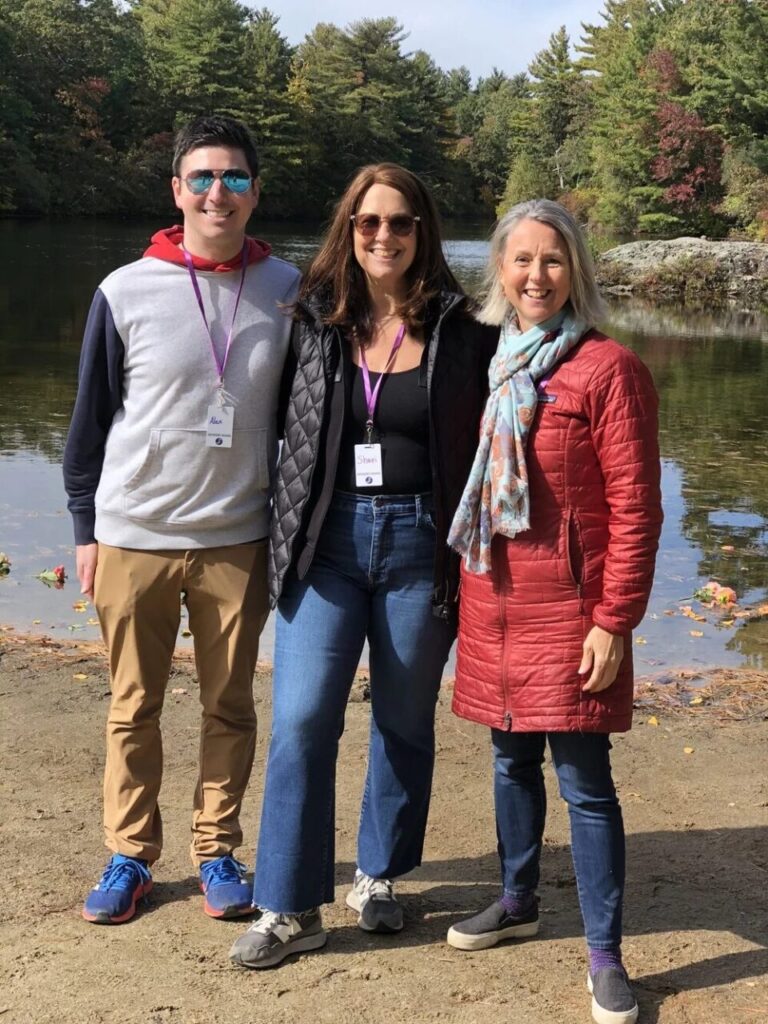
“We know that when you are in a position of power over a family, and you’re operating from misconceptions or falsehoods or your own bias around grief, there can be really lasting and damaging consequences for families,” Friedman explains.
Through trainings, MCUID emphasizes accurate terminology, describes the science of grief, and provides trauma-informed tools to infuse empathy into the investigative process and quell unnecessary suffering in the aftermath of a loss. Strategic state-wide partnerships with the Massachusetts Department of Children and Families, local District Attorneys’ offices, and local and state police offices, among others, ensure widespread adoption.
According to Center surveys, 98% of child welfare workers who have undergone the training report it has deepened their competency in responding to grieving families. DCF Continuous Quality Improvement Specialist and MCUICD Advisory Board Member Marianne Coyle has spent her entire career working for DCF, including many years in the Department’s Child Fatality Unit. She has witnessed the increasing demand for MCUICD’s training, watching it grow from small-group settings to packed auditoriums at the Child Welfare Institute in Southborough. The training includes a panel of families and professionals who share their lived experience.

“The most impactful part of the training is the panel. Families give of themselves. I’ve seen people cry because they appreciate it so much that these people just come and share what happened. It’s really an opening of a dialogue,” she emphasizes. “This training helps bring to the surface that grief of all kinds that families might be challenged by needs to be honored and addressed.”
Policy and prevention against rising SUID cases: The need for a national blueprint
Advocacy is a large part of the Center’s work. MCUID is a mandated member of all local and state-level Child Fatality Review Teams in Massachusetts, working to infuse learnings from family experiences into changes in law, policy, and practice.
“Our aim is to change the ethos around how we as a professional community think about the death of a child,” explains Krauss.
Center leaders played a critical role in the passage of the 2008 Massachusetts Paige Victoria Perry Act, which works toward improving the consistency of training to first responders, protocols for the medical examiners, and an expansion of the social services provided to the families who suffer the loss of a child.
With rates of SUID rising in the country by an alarming 11.8% from 2020 to 2022, the Center finds itself at an inflection point, exploring how to share its unique model of advocacy, bereavement care, and professional training more broadly.
“We are thinking a lot about expansion. We’re one state in a very big country, and within that, there are lessons to be learned. Conversely, there are systems that we could benefit from learning about,” describes Krauss. “We are at a moment in time where we’re really thinking about how this important work can go beyond our four walls.”
Editor’s note: The editor-in-chief of HealthCity serves on the board of advisors for MCUICD. She did not contribute to reporting or writing this article.
About the Author

Meryl Bailey
Meryl is a freelance writer passionate about public health, social justice, and medical innovation. As part of her writing career, she worked as a communications specialist in both the healthcare and nonprofit sectors. She holds a bachelor's degree in English literature from Georgetown University.
Share on Social

Health equity news from Boston Medical Center
HealthCity is dedicated to sharing the most cutting-edge ideas for advancing health justice through inspiring stories, in-depth Q&As with equity pioneers, research news that could change the medical landscape, and more.