4 Reflections on 2025, a Year of Challenge and Resolve in Healthcare
December 23, 2025
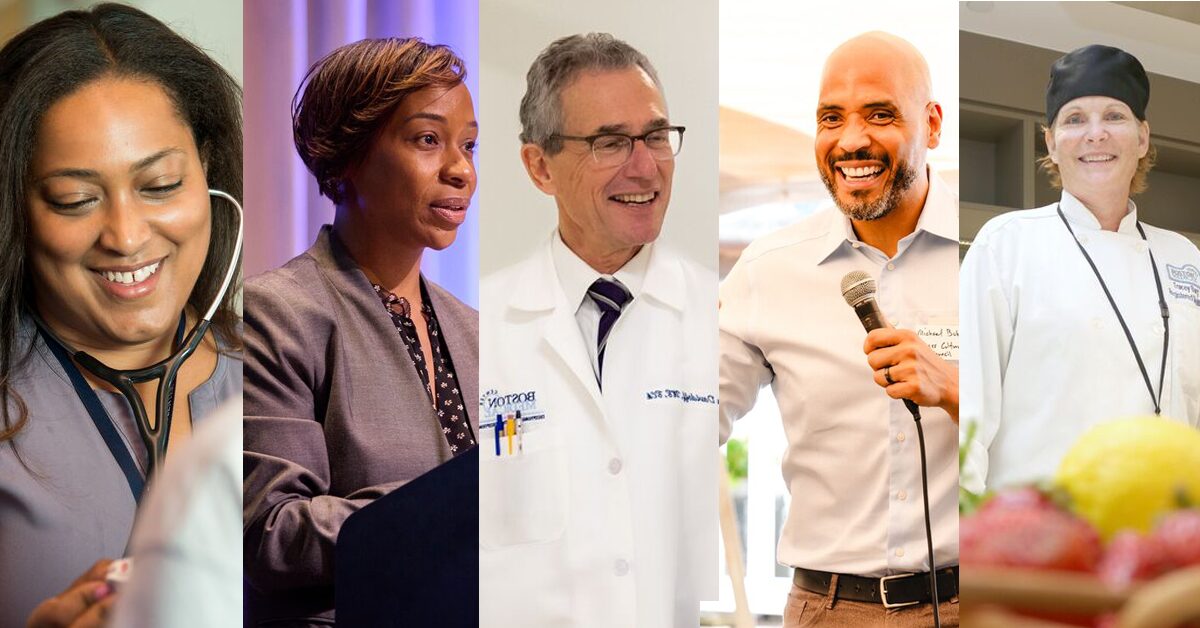
P1, P2, P3, Boston Medical Center; Piper Brown Photography; P5, Boston Medical Center
From L to R: Rosa Arroyo, Exercise Physiologist, BMC; Andrea Joy Campbell, Attorney General, Massachusetts; Ravin Davidoff, MBBCh, Chief Medical Officer (Emeritus), BMC; Michael Bobbitt, Executive Director, Mass Cultural Council Tracey Burg, RD, LDN, founder of BMC Teaching Kitchen, BMC
From equity and access to aging and affordability, the year revealed how health systems are adapting to a rapidly changing landscape while laying groundwork for a more sustainable future.
Reflecting on 2025 as it closes shows a year of both challenge and resolve in U.S. healthcare, as clinicians, patients, communities, and health systems adapted to a rapidly changing landscape. Pressures and cost concerns intersected with an aging population and growing chronic disease burden, bringing long-standing concerns about access, affordability, and equity into sharper focus. But amid these headwinds, the year also revealed how health systems are responding—by accelerating value-based care, rethinking where and how care is delivered, and elevating community and patient voices to shape a more sustainable, just future for health.
Looking back at 2025, HealthCity is sharing just a few of those revealing moments and themes that sparked innovation and inspiration this year.
1. Catalyzing collective dialogue and action with events
The first step in creating change and innovating is bringing the right people to the table. This year, it was more important than ever to bring key leaders and impacted groups together under the same roof to spark dialogue, learn from each other, and share insights from their unique work.
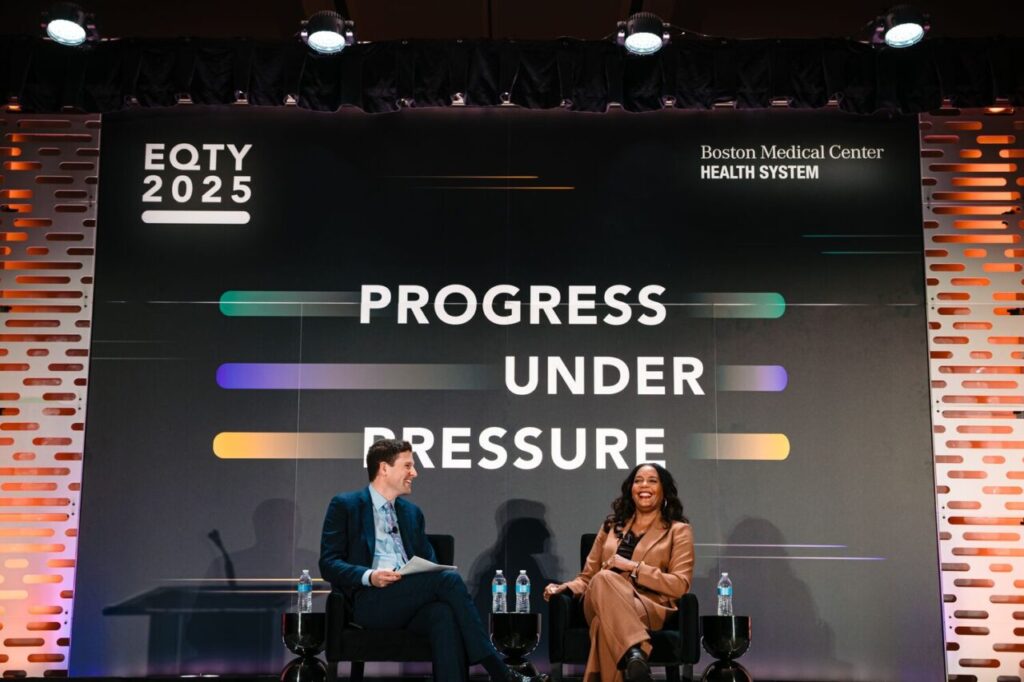
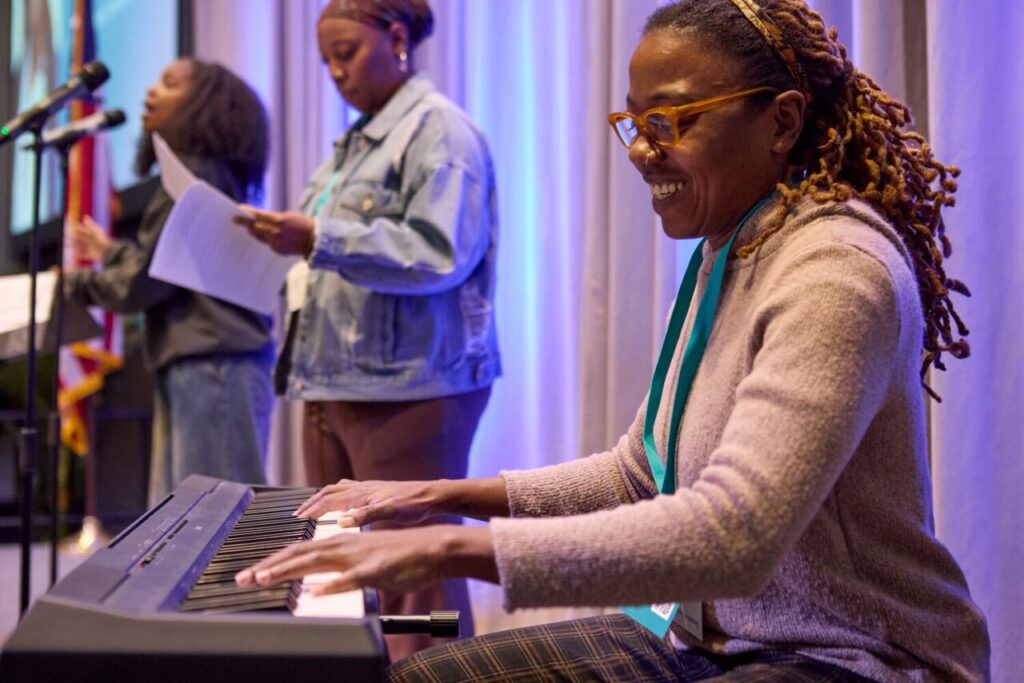
BMC Health System was committed to addressing the issues most relevant to healthcare today—from the rise of AI, longevity and the mortality gap, Medicaid, and misinformation—through its third annual EQTY conference, EQTY 2025: Progress Under Pressure.
Earlier in the year, people with lived experience of substance use disorder had a key seat at the table at Together for Hope, the Grayken Center for Addiction’s annual state-wide conference. And this summer, people from across the country convened at the historic Union Chapel in Oak Bluffs, Martha’s Vineyard, to champion black legacy and longevity.
These conversations and many others open doors to new ideas, intentionally include community voices, and work to push from just dialogue to intentional action that everyone can take back to their neighborhoods.

2. A push to democratize clinical trials
Clinical research dictates what therapies are developed and for whom. But the promise of life-saving advancements is not equally shared. Research has shown that people of color are less likely to be part of the development of potentially life-saving therapies than white people. A 2022 study that examined the composition of 32,000 individuals who participated in new drug trials found that of those individuals, 75% were white, and only 11% were Hispanic and 7% were Black — far below overall population representation rates. This has two important consequences for healthcare. One, as a result, therapies are being developed without people of color in mind, despite the fact that the same communities are disproportionately affected by chronic diseases that are of high investigative priority in drug research and development. Two, people who are already often underserved in healthcare are not having equitable access to potentially life-saving new therapies.
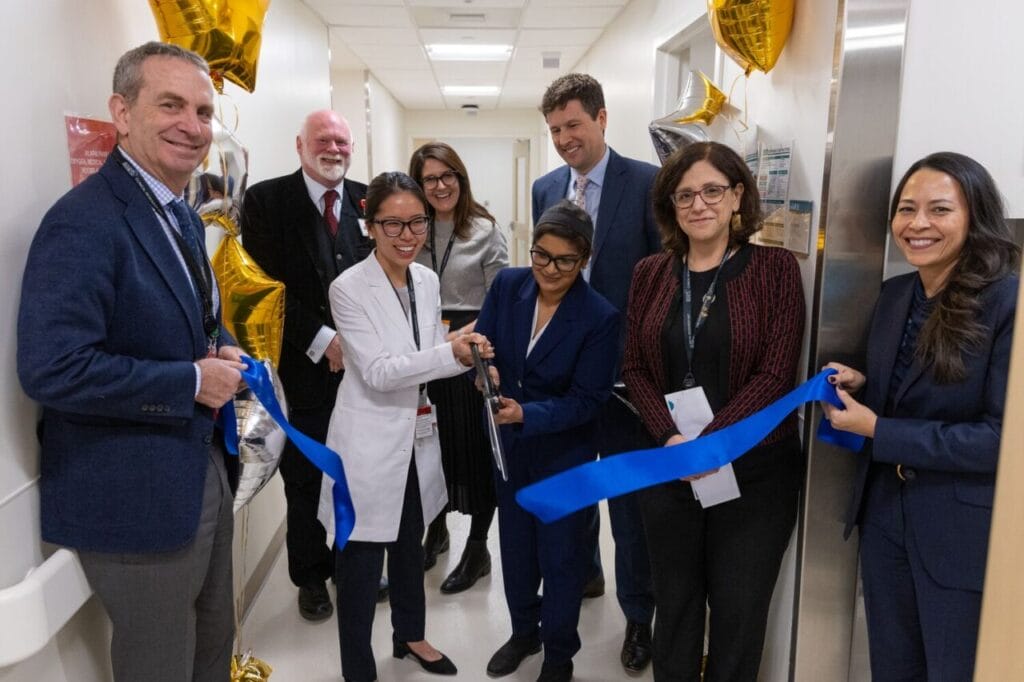
Looking to change that, Boston Medical Center (BMC) opened its new Clinical Research Unit (CRU), a 3,000-square–foot, state-of-the-art facility in February 2025. For the BMC community and beyond, the CRU offers an opportunity for unprecedented access to more advanced studies and cutting-edge therapies through clinical trials. As health systems invest in modern research spaces and truly partner with community members to bring them into the work, patients gain earlier access to advanced treatments while helping move medicine forward for future generations.
3. Addressing matters of the heart
Heart disease remains the number one cause of death in the U.S. and is projected to hold that status in the coming decades. A 2024 report released by the American Heart Association found that heart disease and stroke may affect at least 60% of adults in the U.S. by the year of 2050. Though decades away, these projections signal an urgent need for healthcare systems to begin prevention, early intervention, and long-term support now.
But not all approaches for prevention and treatment are created equal. Healthcare systems like BMC Health System are increasingly focused on comprehensive approaches that take into account patients’ needs and lifestyles. To do that, it’s critical to partner with the patients and communities themselves to be able to effectively adapt programs as needs change.

This year, BMC, which is ranked in the top 50 hospitals in the country for Cardiology & Cardiac Surgery, investigated its own Cardiac Rehabilitation Program to see if it was helpful for people across the socioeconomic spectrum and measured adherence rates.
Cardiac rehab programs, overall, help reduce future heart events, but they are time intensive and require frequent visits to the site. They can be disruptive for people with children, who work, who lack reliable transportation, and more; and not completing the program can have real impacts on future heart health.
In the U.S, national adherence rates for these programs are between 20 to 30%, which means, at best, only one in three people enrolled in cardiac rehab programs complete them. By learning from its own patients, BMC’s program embedded transportation services, including Uber Health and parking vouchers. This year, BMC reported a 70% adherence rate and nearly identical outcomes across socioeconomic status, showing that effective cardiac rehab may be within reach if you are willing to adapt and partner with your patients.
4. Preparing for the “silver tsunami”
In the U.S., about 1 in 6 people are aged 65 and over, accounting for 55.8 million people as of 2020. This age group experienced the largest 10-year numeric gain ever recorded, growing by 15.5 million people between 2010 to 2020. To put this into perspective, the second largest 10-year gain was recorded at 5.7 million between 1980 and 1990, at nearly one third of that growth. Dubbed the “silver tsunami” the demand for age-friendly healthcare is rising rapidly.
In response, healthcare providers are rethinking how care is delivered to older adults. Innovative programs are adapting existing services to better meet the needs of aging patients. At BMC this year, the nationally ranked Geriatrics Department partnered with the Teaching Kitchen to offer group classes on Tofu for Healthy Aging, which aimed to achieve several intersecting goals for older adults: building heart-healthy diets, introducing people to foods they may not have tried, and creating social spaces to combat loneliness and isolation, which is very common among older adults.
Nested within the silver tsunami is a tsunami of its own: the accelerated aging phenomenon among people who have been incarcerated. BMC geriatrician Dr. Alisha Mushero is advocating for health systems to think about the unique care considerations for justice-involved patients. At the center of her work is elevating people with lived experience to help co-create care approaches that meet justice-involved patients where they are, rebuild trust, and empower them to take an active role in their health.
Looking ahead to 2026
As clinical research becomes more inclusive, heart care more comprehensive, aging care more adaptive, and public dialogue more intentional; patients stand to benefit from systems designed with their real needs in mind.
As the headwinds continue, healthcare models will stand to benefit from anchoring lived-experience and community perspectives within their care models and approaches, to hopefully meet the moment with effective, empathetic programming and initiatives.
About the Author

Isabella Bachman
Isabella Bachman is the Content Manager at Boston Medical Center.
Share on Social

Health equity news from Boston Medical Center
HealthCity is dedicated to sharing the most cutting-edge ideas for advancing health justice through inspiring stories, in-depth Q&As with equity pioneers, research news that could change the medical landscape, and more.