5 BMC Women Changing Perspectives in Healthcare
March 16, 2026
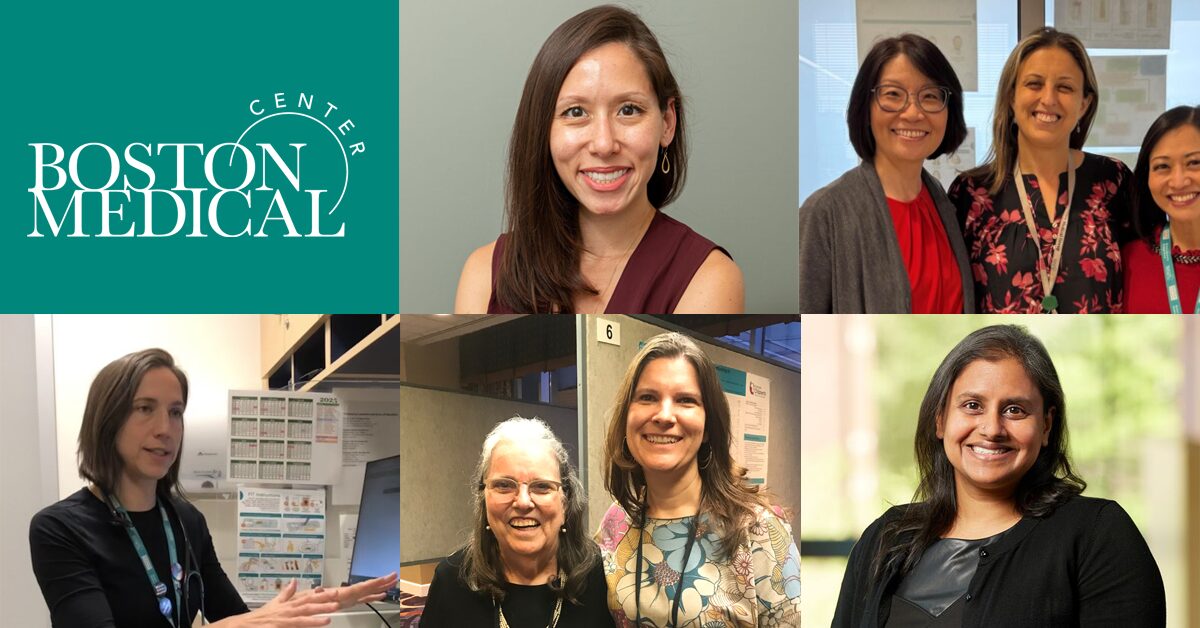
Clockwise from top left: Boston Medical Center (2); Theresa Sandoval; Boston Medical Center; Dr. Kate Standish; Boston Medical Center
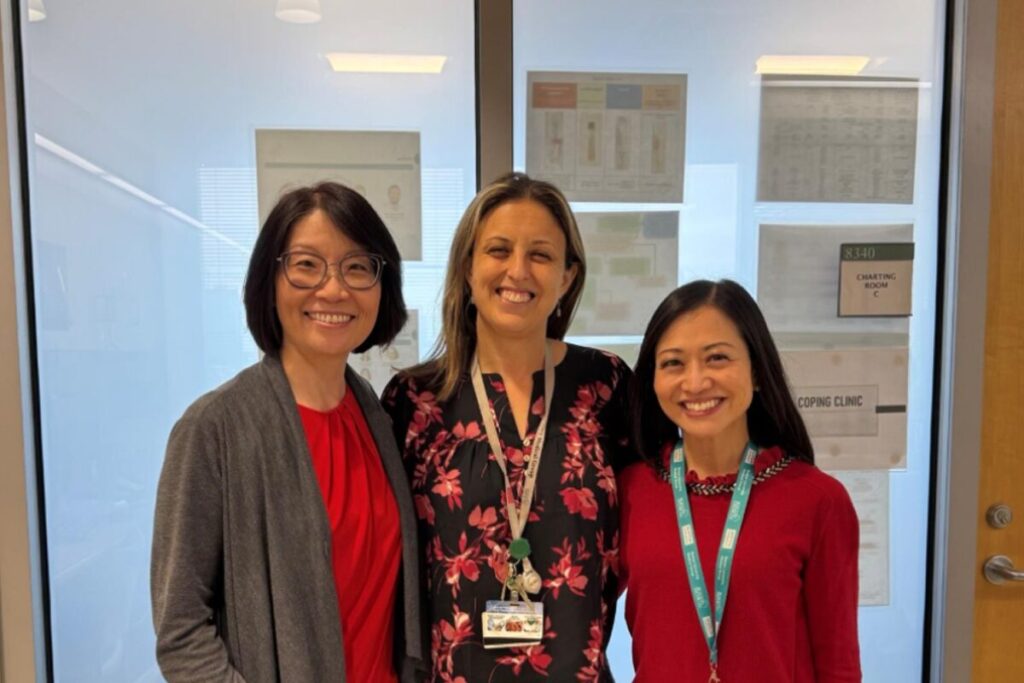
From top left, clockwise: Dr. Charlene Ong; Dr. Margaret Lee, Dr. Laura Goldstein, and Dr. Lisa Shen; Dr. Padmasini Kandadai; Dr. Kate Standish with her mother; and Dr. Alyssa Tilhou
At BMC, women clinicians and researchers are bringing new perspectives to improve ICU care to dermatology care, showing how patients thrive from gender-diverse leadership.
Women in medicine are not just advancing within existing systems, but they are transforming how those systems work. Across specialties, women experts are rethinking who care is built for and how it is delivered to better support patients and communities.
This spirit of transformation is at the heart of Women’s History Month, a time to commemorate and encourage the study, acknowledgement, and celebration of the leadership women have played in American history.
Building on that legacy and creating their own, these five stories capture key initiatives where Boston Medical Center’s (BMC’s) women experts, from care providers in neurology to dermatology to addiction medicine and women’s health, are changing the ways we think about delivering care.
1. Dr. Charlene Ong is using AI to turn ICU data into life-saving insights for patients
Traditionally, clinicians are hypothesis-driven; they look for what they expect to find, based on experience and training. But Charlene Ong, MD, MPHS, a BMC neurologist and researcher, is challenging that approach. Using AI, she is examining millions of data points, letting that data reveal patterns and possibilities. The result? Lifesaving outcomes for patients.
A key dataset that Dr. Ong examines in the intensive care unit is pupillometry, pupil size and reactivity measurements, which can give insight into a patient’s health. Through machine learning, her work detects changes in the pupil that are otherwise undetectable, tracking and flagging subtle signs of deterioration before they become catastrophic for the patient.
In one case, Dr. Ong noticed a patient’s neurologic pupil index—a composite score of how the eye reacts to light—was dropping, even though it hadn’t yet reached the “abnormal” range. She used that data to confer with neurosurgeons on the team. Combined with imaging, the patient’s risk factors, and the clinicians’ expertise, they were able to intervene before the patient’s brain function deteriorated.
Read more to learn about Dr. Ong’s transformative work bringing life-saving care to neurology patients and setting examples for future use cases of AI technology in care.
2. Dr. Padmasini Kandadai is treating menopause care as a critical piece of preventive medicine
When we think of preventative medicine, we often think of annual physicals, nutrition and exercise, screenings, and vaccinations. But for Padmasini Kandadai, MD, MPH, director of Urogynecology at BMC, what comes to mind is comprehensive menopause care.
Symptoms that accompany menopause have been historically understudied and misunderstood. They can include orthopedic issues, cardiovascular disease, and cognitive problems that can cause significant disruption to daily life and functioning. When these symptoms are treated in a silo, without an understanding of the impacts of menopause, women may not get true relief. So, in effect, using evidence-based menopause treatments, such as hormone therapy, can work as preventative care for a constellation of health issues.
Dr. Kandadai and other certified menopause practitioners at BMC are already leading the way toward this comprehensive view of perimenopause and menopause.
Read more to learn about Dr. Kandadai’s advocacy to position menopause as preventative care and her ultimate goal of helping her patients find validation, support, and relief.
3. Dr. Kate Standish shows the unique value of family medicine for newborn babies and their mothers
When it comes to supporting mothers and their new babies, Kate Standish, MD, MS, a family medicine physician and researcher at BMC, is focused on the unique role of family medicine. When one provider cares for the health of both baby and mom, they are able to step out of a silo and see the dyad as a system, where the health of one is deeply intertwined with the health of the other.
A central focus of her research is the “fourth trimester,” the crucial three-month period after the baby is born. In this period, supporting the baby’s health and development may look like helping the mom breastfeed and understanding the obstacles that may be preventing it. That could include social supports, such as transportation to appointments or nutrition care, or referring to specialists to help care for other medical conditions, including substance use disorders.
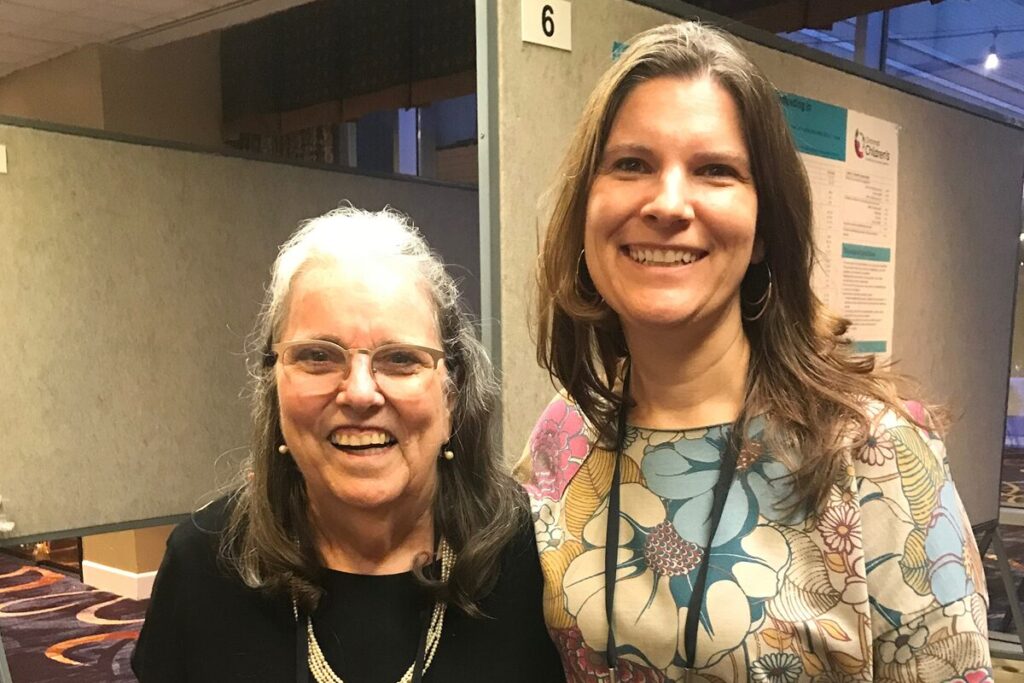
” This is a two-person organ system,” says Dr. Standish. “You cannot really take care of one without thinking about the other.”
Read more about how Dr. Standish is thinking about family medicine, dyadic care, and supporting families through this crucial and stressful period.
4. Dr. Alyssa Tilhou is rethinking the systems around addiction care
For Alyssa Tilhou, MD, PhD, physician and health services researcher, family medicine is a uniquely effective avenue to help patients enter and stay in treatment for opioid use disorder (OUD). Providers may see a patient from birth well into adulthood, establishing a longitudinal, trusting relationship, which can lead to more effective conversations around OUD or other stigmatizing conditions.
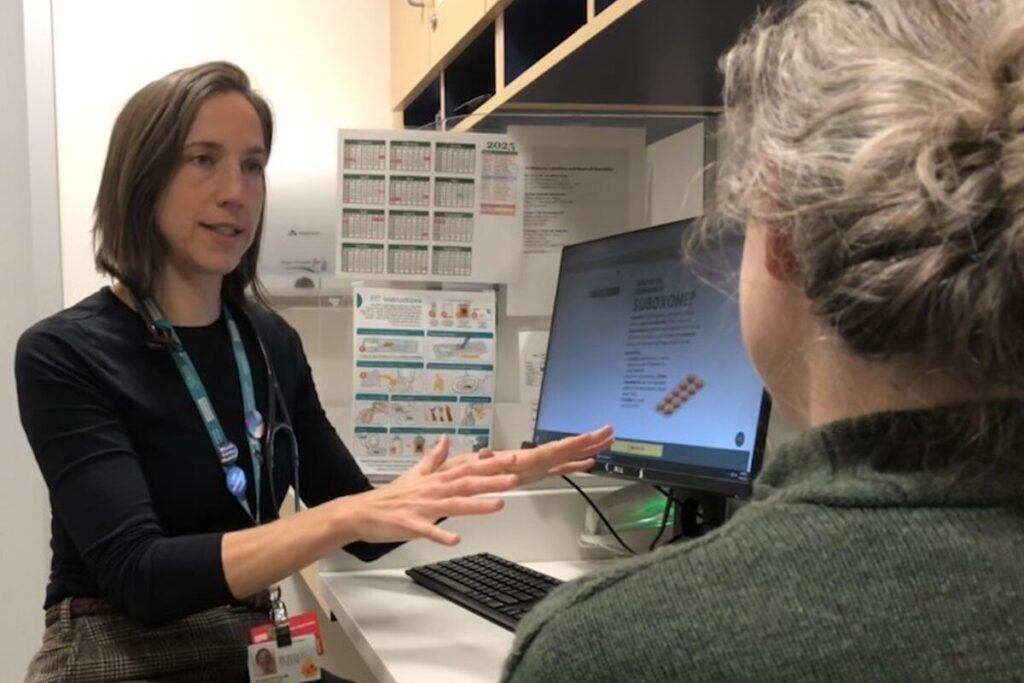
As a health services researcher Dr. Tilhou works to establish systems centered on patients’ own goals and definitions of success, opening the door to better engagement in recovery services, preventive care, chronic disease management, and whole-person health.
Read more about how Dr. Tilhou’s perspective is advancing models of care by bringing OUD treatment directly into family medicine.
5. Dr. Margaret Lee is spotlighting the importance of mental health care in dermatology
The intersection of dermatology and mental health has become increasingly clear. Studies published within the last two years have revealed links between psoriasis and obsessive compulsive disorder, atopic dermatitis (eczema) and disordered eating, and eczema and depression. For adolescents, skin-related stigmas can lead to bullying, social isolation, and low self-esteem. That is why Margaret Lee, MD, PhD, a pediatric dermatologist at BMC is taking the lead to ensure adolescents can receive care for both skin and mind.
Dr. Lee, who is one out of only 371 board-certified pediatric dermatologists in the U.S., cofounded BMC’s Coping Clinic with fellow pediatric dermatologist Lisa Shen, MD, and pediatric psychologist Laura Goldstein, PsyD. The Coping Clinic takes a coordinated care approach, providing brief behavioral interventions, speeding up referrals to mental health treatment, and lowering the barriers to behavioral health care as part of a dermatology clinical visit.
Early findings from a study of the clinic are encouraging: 64% of patients seen were referred to therapy, and 80% of those who returned for a follow-up visit reported signs of improved mood. The results suggest that this coordinated approach is improving health outcomes for young patients and empowering them and their families to engage in their care.
Read more to learn about this care approach that cares for both skin and spirit, especially among younger patients.
About the Author

Isabella Bachman
Isabella Bachman is the Content Manager at Boston Medical Center.
Share on Social

Health equity news from Boston Medical Center
HealthCity is dedicated to sharing the most cutting-edge ideas for advancing health justice through inspiring stories, in-depth Q&As with equity pioneers, research news that could change the medical landscape, and more.