
BMC Neurologist Uses AI to Turn ICU Data into Life-Saving Insights for Patients

By mining millions of ICU data points, Dr. Ong’s AI-driven approach helps clinicians detect neurological decline earlier and personalize patient care in life-or-death moments.
Read MoreHow Do We Make Alzheimer’s Diagnosis and Treatment More Equitable?

A new Alzheimer’s treatment is a boon for those recently diagnosed, but for this drug to be accessible for everyone, Boston Medical Center experts say there’s a need to start diagnosing much earlier.
Read MoreThere Are More Multiple Sclerosis Treatment Options Than Ever—Which Creates a New Obstacle

BMC providers speak on how they help their patients weigh their social needs, MS status, and more to choose among several MS treatment options.
Read MoreRacial Disparities in Multiple Sclerosis Diagnosis and Treatment
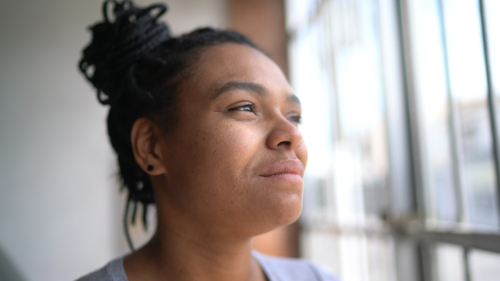
Black women have a higher risk of MS than white women, while Latinx and Asians are less likely to develop the disease.
Read MoreA Global Vision on Humanism in Pediatric Neurology
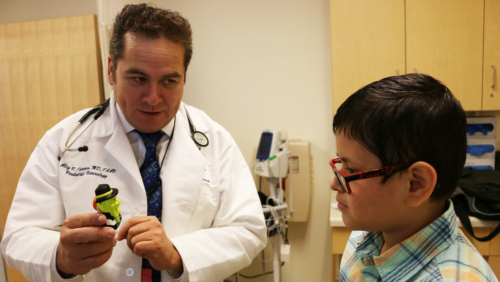
Recently published book co-edited by pediatric neurologist spotlights importance of practicing compassion, empathy, and humanism in pediatric healthcare.
Read MoreWhat Does Ideal Healthcare for Girls and Women With Epilepsy Look Like?
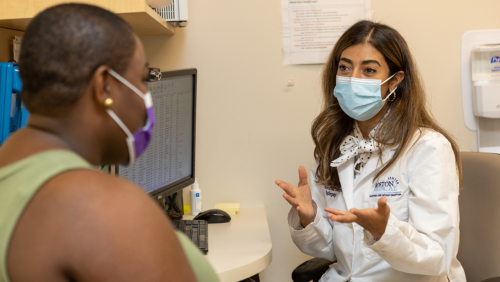
“There’s power in knowledge,” says Abrar Al-Faraj, MD, who spearheads BMC’s Women with Epilepsy clinic, about empowering girls in their medical decisions.
Read MoreVitreous Fluid May Hold Early Signs of Alzheimer’s

Research finds that biomarkers of Alzheimer’s are detectable in the vitreous fluid of the eye and may help predict the disease before symptom onset.
Read More