Morayo Sayles, Piper Brown Photography
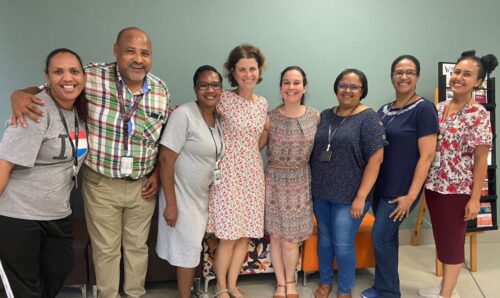
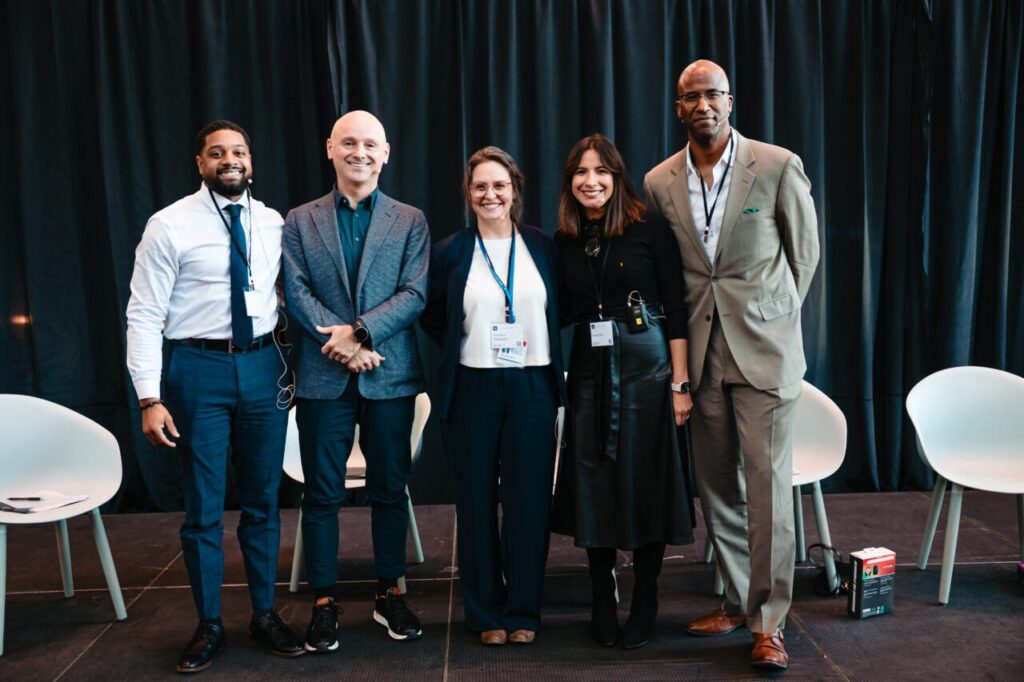
From L to R: Clifford Harrison, CEO, Blue Bridge; Liviu Niculescu MD, PhD, Chief Medical Officer, Novartis; Christina Vollbrecht, MA MS RDN LDN, Community Culinary Dietitian, BMC Health System; Ivania Rizo, MD, Endocrinologist and Director of Obesity Medicine, BMC; Pierre Theodore, MD, Executive Director, Population Science Team within Health Equity, Genentech
At the Advancing Medicine Research Symposium, experts highlighted how community-informed research is shaping the future of cardiometabolic health.
Cardiometabolic diseases—including heart disease, obesity, diabetes, hypertension, and related disorders—remain among the leading causes of death and disability in the U.S. These conditions not only strain healthcare systems but also widen existing inequities. Historically disinvested communities experience the greatest burden, often facing systemic barriers to diagnosis, treatment, and follow-up care.
As innovation accelerates in diagnostics, wearable technology, and advanced therapies, it is imperative to ensure that these advances benefit everyone. That is why clinical trials and translational studies are increasingly designed in partnership with, not merely for, communities most affected by these conditions
“Innovations are only as meaningful as they are accessible. If they are only accessible to a small population, they are not doing what they are designed to do,” said Megan Bair-Merritt, MD, MSCE, Chief Scientific Officer at BMC Health System.
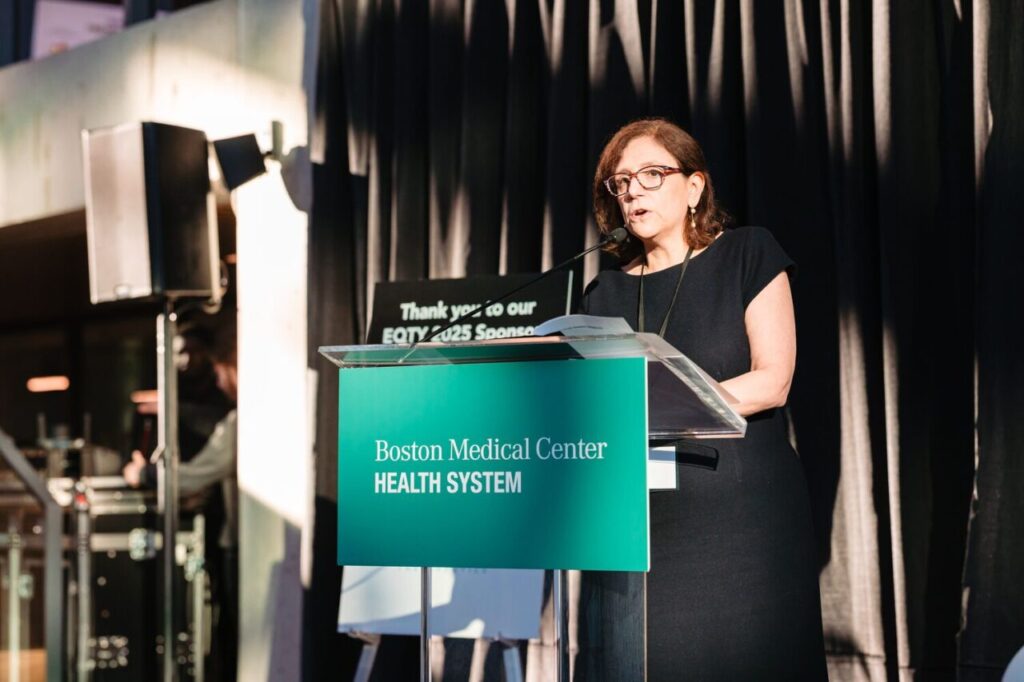
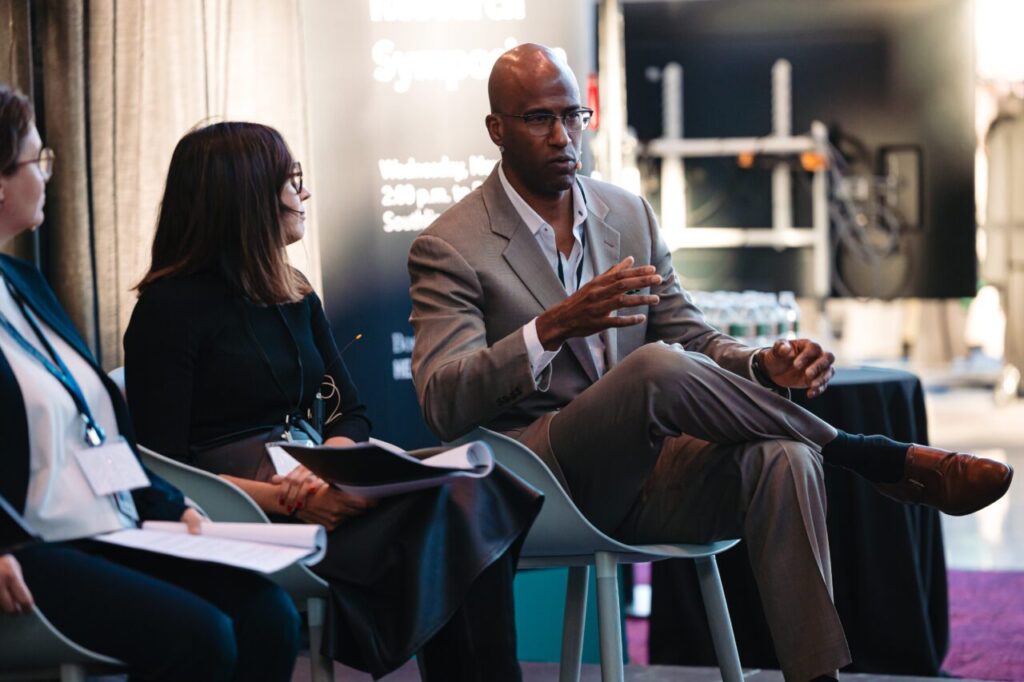
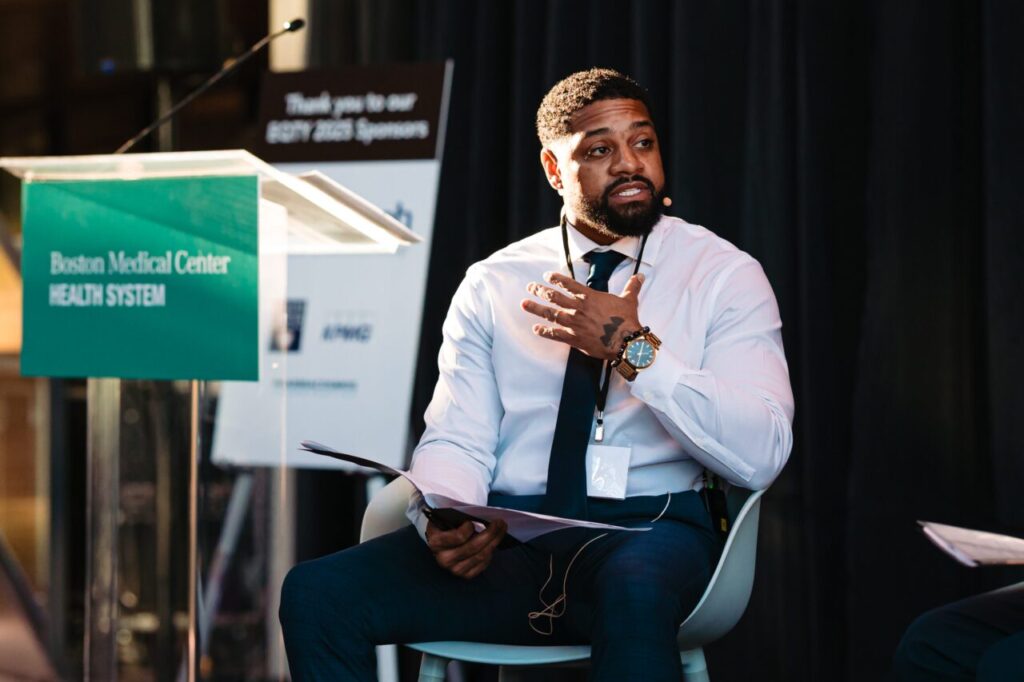
This commitment was at the heart of the Advancing Medicine Research Symposium session, “The Future of Cardiometabolic Health: Inclusive Strategies for Equitable Outcomes.” The discussion focused on how innovation, inclusion, and collaboration can align to advance equity in research and care.
Reimagining research through an equity lens
A central theme of the discussion was the need to rethink research frameworks through an equity lens. Inclusive innovation or designing research not only for but with affected communities was framed as essential to progress. Achieving true representation in clinical trials and translational studies requires integrating equity into every stage: from study design and recruitment to data analysis and delivery of care.
Panelists emphasized that diversity in data is more than an ethical imperative—it is a scientific one. When research fails to capture the full range of human experience, findings risk being incomplete or even misleading. To generate insights that translate into effective treatments for all populations, researchers must address structural barriers that discourage participation. These include logistical challenges such as transportation, work schedules, or childcare responsibilities that can prevent individuals from engaging in research or receiving consistent care.
“Inclusivity from our perspective really means that the voice of the patients and of the participants in clinical trials are heard and centered in the processes,” said Pierre Theodore, MD, Executive Director of the Population Science Team within Health Equity at Genentech.
BMC Health System’s ongoing initiatives illustrate what community-informed innovation can look like. Programs like HEART of Communities, a partnership among BMC, Mass General Brigham, and Mattapan Community Health Center, demonstrate how research and care can be built around trust and collaboration. By co-designing interventions with patients and families, teams are ensuring that health strategies reflect lived realities and personal priorities.
“The way that we deliver care is that we started with a conversation with what resources are already existing, how can we plug in, and how can we connect patients to what the community wants to offer?” said Christina Vollbrecht, MA MS RDN LDN, Community Culinary Dietitian at BMC Health System.
Building trust and translating science into action
Another focus of the conversation was bridging the gap between discovery and access. Innovation in science and technology must be matched by systems that ensure therapies reach the people who need them most. That includes transparent communication, equitable pricing, and local partnerships that extend care beyond institutional walls.
Panelists agreed that prevention and treatment must advance in tandem. Expanding access to screenings, nutrition counseling, and early intervention is as critical as developing new drugs or devices. Technology like remote monitoring tools and health apps can make care more accessible, yet the digital divide still limits reach in many communities. Ensuring that digital health solutions are designed with inclusivity in mind is essential to avoid replicating existing disparities.
From insight to impact
Across the session, one message was clear: inclusive research is not an add-on—it is the foundation of better outcomes. Building equity into every phase of scientific discovery, clinical care, and community engagement ensures that advances in cardiometabolic health truly benefit all populations. This commitment to equity is also reflected in broader institutional efforts.
BMC is one of 22 sites selected nationwide for the Roche-Genentech Advancing Inclusive Research® (AIR) Site Alliance, which is aimed at improving health equity by increasing access and participation of underrepresented patient populations in clinical research. This designation reinforces the importance of translating the principles highlighted in the session into sustained, system-level action.
In that spirit, panelists underscored several key priorities moving forward: increasing transparency in reporting outcomes by race and socioeconomic status; expanding support for community health workers; investing in culturally responsive interventions; and treating diversity in clinical trials as a regulatory standard, not an aspirational goal.
“I think we need to really just stop with the individualism and focus on collaborating with partners to work together to solve problems and replace this with care that’s person centered and that focuses on the resilience of the entire ecosystem,” said Vollbrecht.
As the session concluded, one message resonated clearly: equity in cardiometabolic health cannot wait until implementation. It must be built from the start, guiding every decision from research design to community rollout. When innovation begins with inclusion, progress becomes possible for all.
About the Author

Gina Mantica
Gina Mantica is the Senior Research Communications Manager at BMC.
Share on Social

Health equity news from Boston Medical Center
HealthCity is dedicated to sharing the most cutting-edge ideas for advancing health justice through inspiring stories, in-depth Q&As with equity pioneers, research news that could change the medical landscape, and more.