Getty Images
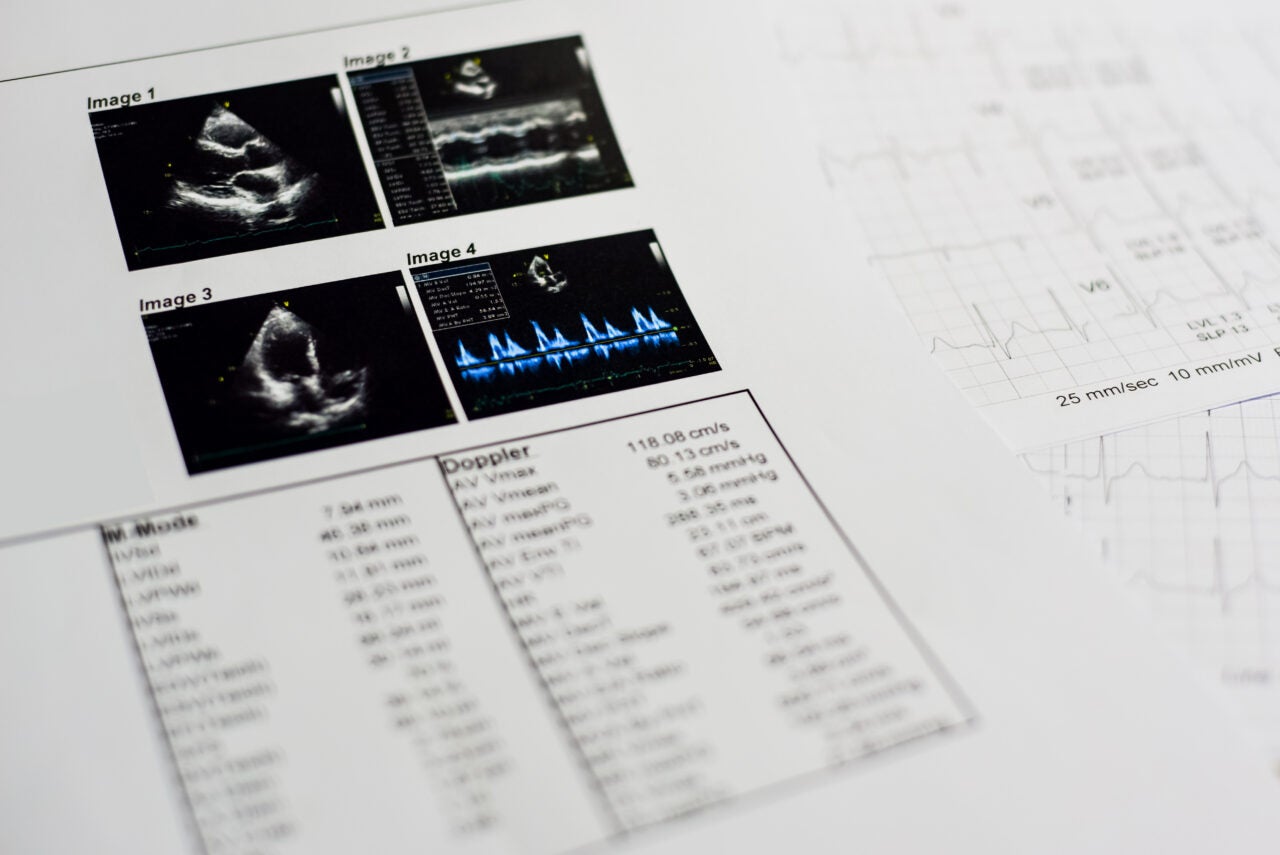
Heart failure with preserved ejection fraction or (HFpEF) is a form of heart failure that now accounts for more than half of all cases in the U.S.; it is also one of the most difficult to diagnose. That is why Lucy Schulson, MD is conducting research to analyze echocardiogram reports and other data to help clinicians identify patients earlier.
For many patients, symptoms like getting winded walking upstairs, feeling unusually tired, or experiencing swelling in their legs can be easy to dismiss as aging, stress, or weight gain. But for some, these symptoms are signs of heart failure with preserved ejection fraction, or HFpEF, a form of heart failure that now accounts for more than half of all heart failure cases in the United States. It is also one of the most difficult forms of heart disease to diagnose.
That challenge, and the consequences when diagnosis comes too late, are at the center of new research led by Lucy Schulson, MD, MPH, an internal medicine physician at Boston Medical Center (BMC). “A diagnosis can be life-changing for patients because it connects them to treatment, specialists, and a better understanding of what they’re experiencing,” says Dr. Schulson, who is also an assistant professor of medicine at Boston University Chobanian & Avedisian School of Medicine. “My hope is that this work helps us diagnose patients earlier, before they become severely ill or require hospitalization.”
Dr. Schulson’s work to improve how HFpEF is identified and diagnosed was recently selected for the National Academy of Medicine Scholars in Diagnostic Excellence program in partnership with the Council of Medical Specialty Societies. The program brings together national leaders who can drive implementation of effective strategies to reduce diagnostic errors in medicine, which include delayed diagnoses, misdiagnoses, and failures to communicate diagnoses to patients in a timely way.
A condition that often goes unrecognized
For Dr. Schulson, HFpEF highlights a larger issue in medicine: some patients are more likely than others to experience delays in diagnosis. The condition is closely linked to hypertension, obesity, diabetes, and chronic lung disease, all of which are increasing in the United States. Additionally, Black women experience the highest rates of HFpEF hospitalization, and studies suggest Black patients are more likely to receive a heart failure diagnosis during an emergency department visit or hospitalization instead of in outpatient care, where earlier intervention may have been possible.

Dr. Schulson says that part of the problem is that HFpEF presents with symptoms that overlap with many other medical conditions, and diagnosing the condition often requires clinicians to piece together symptoms, imaging findings, medical history, and risk factors across multiple visits and systems.
“In primary care, you’re synthesizing huge amounts of information constantly,” says Dr. Schulson. “You might have an echocardiogram report, specialist notes, emergency department records, and chronic disease management all happening at once. It’s possible for a pattern to be overlooked.”
Using AI to find missed heart failure diagnoses
That complexity is what led Dr. Schulson to explore whether artificial intelligence (AI) could help clinicians identify patients earlier. Using large language models, her team is studying whether AI tools can analyze clinical notes alongside echocardiogram reports and other data to flag patients who may have HFpEF but have not yet been diagnosed. The goal is not to replace clinicians, she says, but to help surface patterns that might otherwise be missed amid the volume of information providers manage every day.
“This is really about how we build systems that are better at recognizing disease early for everyone. Not just for the populations medicine has historically been built around.”
Lucy Schulson, MD, MPH, internal medicine physician, Boston MedICAL Center
“We’re doing more testing than ever before in medicine, and clinicians are managing an enormous amount of information,” she said. “The question is whether these tools can help us better recognize patients who may otherwise fall through the cracks.”
The timing of that work is especially important because treatment options for HFpEF have changed significantly in recent years. For decades, there were few therapies specifically targeted to the condition. Newer medications can now help improve symptoms and reduce hospitalizations for some patients. “A diagnosis matters because it connects patients to care,” says Dr. Schulson. “It can mean access to cardiology specialists, medications, clinical trials, and support that may improve quality of life and long-term health outcomes.”
Looking beyond heart failure
While HFpEF is the focus of the current research, Dr. Schulson sees broader implications. The same approach, she believes, could eventually help clinicians identify diagnostic delays in other chronic diseases where symptoms are nonspecific, care is fragmented, and disparities persist.
“This is really about how we build systems that are better at recognizing disease early for everyone,” she said. “Not just for the populations medicine has historically been built around.”
About the Author

Gina Mantica
Gina Mantica is the Senior Research Communications Manager at BMC.
Share on Social

Health equity news from Boston Medical Center
HealthCity is dedicated to sharing the most cutting-edge ideas for advancing health justice through inspiring stories, in-depth Q&As with equity pioneers, research news that could change the medical landscape, and more.