5 Game-Changing Healthcare Innovations Fueled by Boston Medical Center Research
July 17, 2026
By Caitlin White, By Gina Mantica
Adam Knee, Boston Medical Center
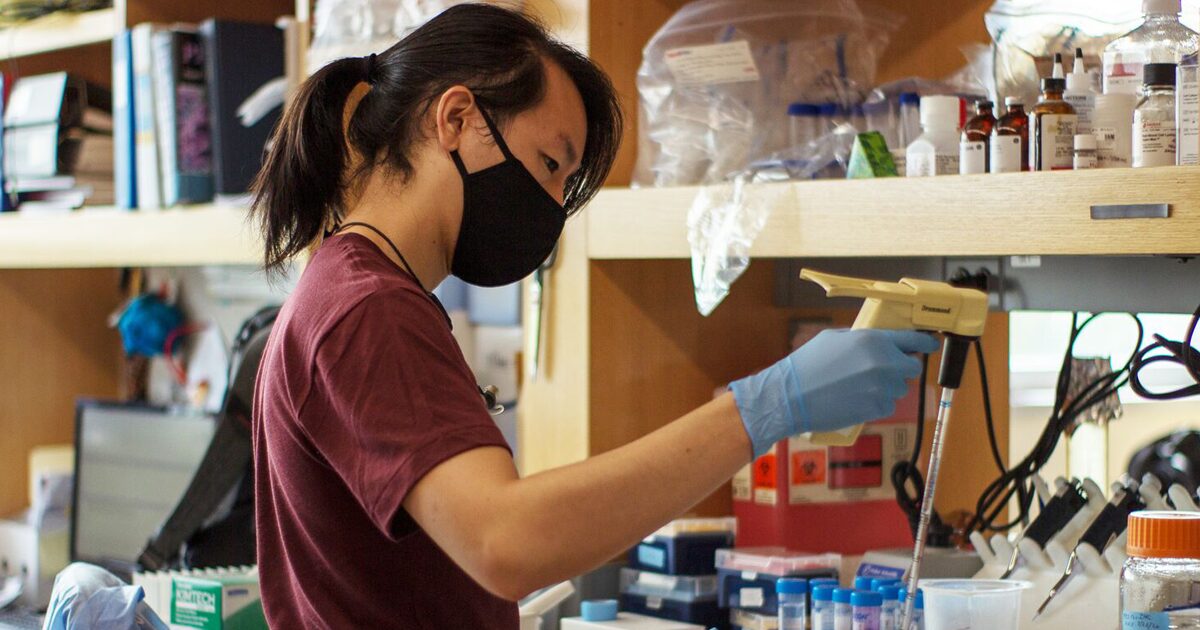
Pictured is a researcher at BMC's Center for Regenerative Medicine (CReM) Sickle Cell Lab using a brightener or additive to a sample.
Thirty years after the landmark merger that created Boston Medical Center, researchers at the academic medical center are still pushing the bounds of care and changing how medicine is practiced in Boston and far beyond.
When Boston City Hospital and Boston University Medical Center joined forces in the summer of 1996, they did more than merge two institutions; they created a new model for what academic medicine could look like. From the start, Boston Medical Center (BMC) was built to deliver expert care that allowed all patients to thrive. The foundation of that expert care was through inclusive research that would help drive healthcare progress and build the future of care. Thirty years later, that commitment has produced new understandings that have rewritten clinical guidelines, reshaped state law, reduced overdose deaths, and reshaped what it means to do community-informed research.
Here are five stories of BMC research that made a measurable difference.
1. Advancing sickle cell care—from today’s treatments to tomorrow’s cures
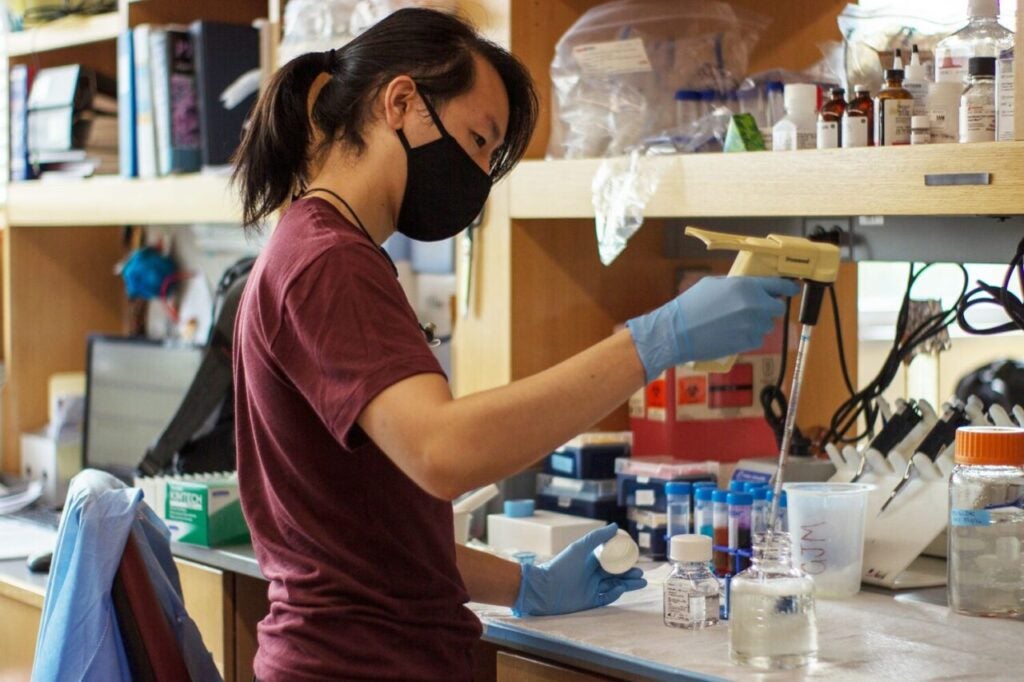
Sickle cell disease (SCD) affects millions of people globally and disproportionately affects people of African descent, yet it has long received less research funding and fewer treatment options than many other genetic diseases. BMC is working to change that through innovations that improve care today while accelerating tomorrow’s breakthroughs.
For pediatric patients, particularly those from lower-income families, consistent access to a liquid formulation of hydroxyurea remained an enormous and often insurmountable barrier to treating the disease. In 2016, BMC’s Center of Excellence in Sickle Cell Disease—the largest center of its kind in New England—began compounding and delivering liquid hydroxyurea directly to families, at no cost. The results were clear: a retrospective study of 41 program participants found a statistically significant decrease in hospitalizations and acute chest syndrome after just one year of enrollment. Beyond the numbers, the program aims to address a healthcare gap. The average life expectancy for publicly insured individuals with SCD is 52.6 years — well below the national average — and early, consistent access to hydroxyurea is one of the most powerful tools available to change that trajectory.
BMC’s sickle cell scientists are also advancing what comes next. Researchers like Kim Vanuytsel, PhD, are working to improve gene therapy and stem cell transplantation for patients who don’t respond to hydroxyurea — making these transformative but complex treatments safer, more effective, and more accessible. And researchers at the Center for Regenerative Medicine (CReM) are working to build the world’s largest stem cell library for SCD. The collection captures the genetic diversity of patients living with the disease, giving researchers a powerful resource to study why symptoms vary so widely and to test promising new therapies. By freely sharing the library’s cell lines and research tools with scientists around the world, BMC is advancing an open-source model of discovery that aims to speed innovation while improving access to treatments for the communities most affected by SCD.
2. Rewriting the rules on pregnancy, substance use, and who gets to parent

For years, Massachusetts law required that any newborn with substance exposure be reported to the Department of Children and Families — regardless of whether there was any actual evidence of harm or neglect. BMC researchers and clinicians knew the data told a different story.
In May 2021, BMC implemented a clinical practice guideline requiring that child protective services reports only be filed when specific protective concerns were identified, not automatically triggered by a positive toxicology screen or a prescription for medication-assisted treatment. The impact was striking: the researchers found a 44.9% decrease in the proportion of newborns reported to CPS, with no significant change in the proportion of infants discharged with a biological parent or in length of hospital stay. Child safety was preserved, family separation was dramatically reduced, and the guideline was later adopted by other hospitals across the state of Massachusetts.
BMC’s advocacy didn’t stop there. Researchers from BMC, in collaboration with Massachusetts General Hospital, were invited to rewrite the Academy of Breastfeeding Medicine’s national guidelines for patients with substance use disorders. They replaced overly restrictive, stigma-driven policies with an evidence-based framework that centers the actual risks to the infant. The policy change was implemented across hospitals nationwide.
3. A community-level answer to the opioid crisis
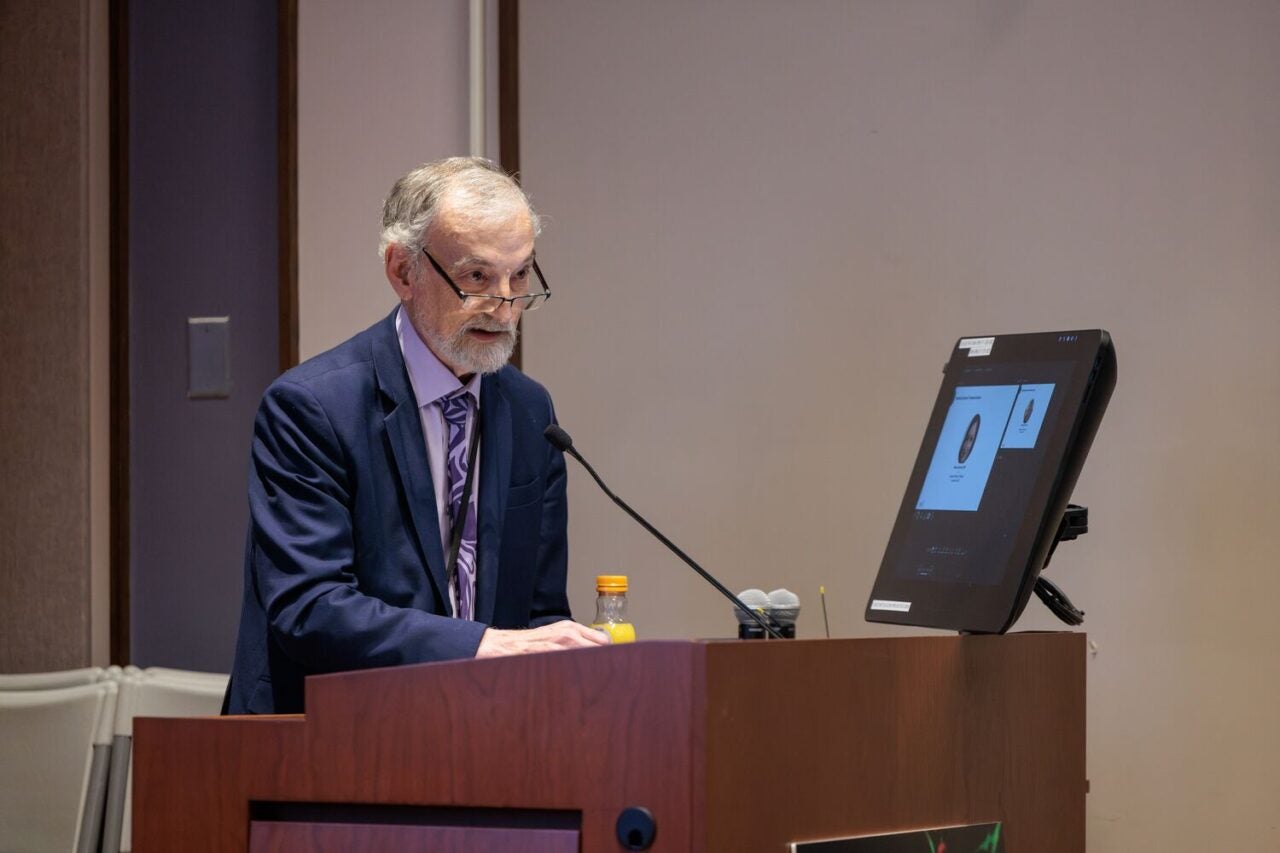
The opioid crisis has claimed more than half a million lives in the U.S. over the past two decades. Treatments exist, but the problem is getting them to the people who need them most. That was the premise behind the NIH’s HEALing Communities Study (HCS), a $350 million national initiative to reduce overdose deaths by 40% by deploying proven, community-engaged interventions at scale.
BMC led the Massachusetts arm of the study, working with 16 communities across the state to implement evidence-based practices: naloxone distribution programs, addiction consult services, bridge clinics, and mobile opioid treatment programs to reach communities without adequate access. Jeffrey Samet, MD, MA, MPH, chief of general internal medicine at BMC and the study’s Massachusetts principal investigator, called the effort “remarkable” — and the data backed him up. Even more crucially, dedicated systems were put in place by at the community level, uniting coalitions of local leaders toward the single cause of working together to prevent opioid overdose deaths in their neighborhoods and setting the foundation for the future.
4. Breaking the language barrier in clinical research
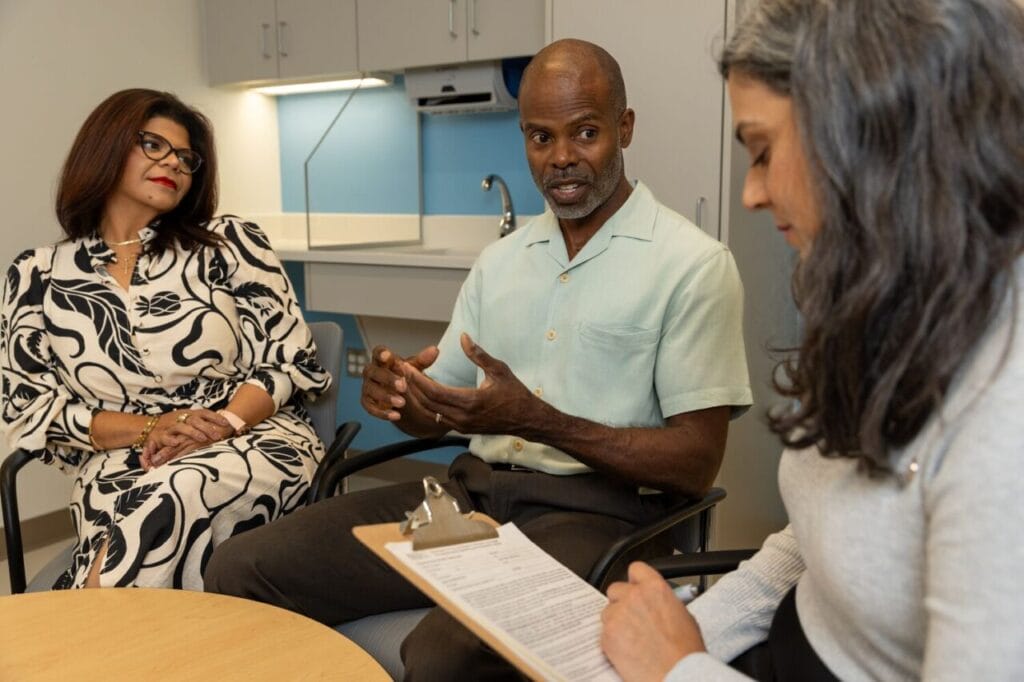
Diverse participation in clinical trials is not just an ethical imperative — it is a scientific one. Research conducted on homogenous populations produces findings that may not translate across diverse communities. Yet a study of major U.S. medical journals found that 40% of researchers excluded non-English-speaking individuals from their studies, citing the difficulty of translating documents and recruiting bilingual staff.
BMC’s answer was practical and scalable: a free, accredited two-hour training course designed to equip medical interpreters with the terminology, regulatory knowledge, and cultural context to support patients through the clinical research process, from recruitment through informed consent. Developed in partnership with the Certification Commission for Healthcare Interpreters (CCHI), the country’s largest accrediting body for medical interpreters, the course includes a downloadable glossary in Spanish, Haitian Creole, Cantonese, Mandarin, and Arabic. More than 200 interpreters have already completed it. The goal is to reach hundreds of thousands more, and begin mapping — for the first time — what interpretation in research actually looks like at a national scale.
5. Confronting racism as a public health crisis
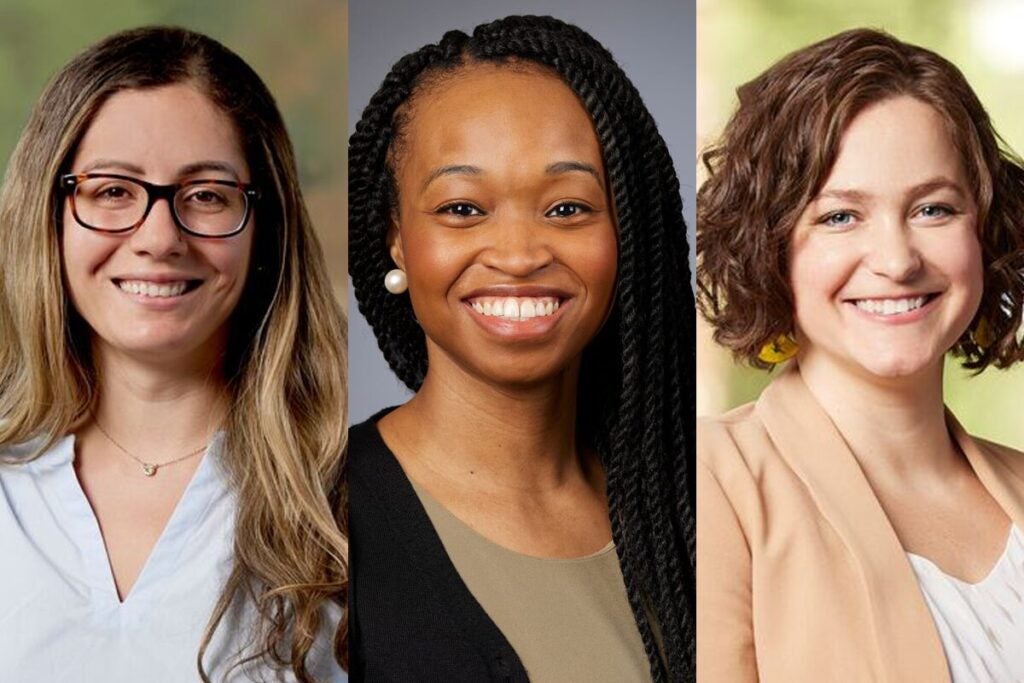
When it comes to mental health disparities in Black communities, BMC researchers recognized that acknowledging race-based stress and trauma isn’t a departure from clinical care — it is clinical care. In 2024, BMC piloted Reconnect, an eight-session wellness group developed in partnership with Black churches in Roxbury and Milton and designed to help participants understand and cope with the mental health impacts of racism.
The pilot enrolled 18 participants across two BMC groups and one at Twelfth Baptist Church. Upon completion, participants reported better coping skills and reduced stigma around seeking mental health care. Devin Cromartie Bodrick, a BMC psychiatrist and Reconnect co-developer, built the program on direct community feedback — and the findings pointed to the centrality of race-based stress in participants’ mental health. BMC now plans to expand the program to Latino, LGBTQ+, and other communities.
Looking ahead to the next 30 years
What these five stories share is something that has defined BMC since 1996 and before in its legacy as Boston City Hospital: the conviction that the patients most often left out of medical progress are precisely the patients whose lives depend on it most. The merger that created BMC 30 years ago brought together a hospital’s deep roots in Boston’s most underserved neighborhoods and a research university’s scientific infrastructure. That combination is what makes this kind of work possible.
The next 30 years of BMC research will be built on the same foundation: a patient population that reflects the full diversity of human experience, a clinical workforce committed to serving all of our communities, and a research mission that refuses to treat current facts as limitations.
About the Author
Caitlin White
Caitlin White is the Director of Content Strategy at Boston Medical Center Health System.
Gina Mantica
Gina Mantica is the Senior Research Communications Manager at BMC.
Share on Social

Health equity news from Boston Medical Center
HealthCity is dedicated to sharing the most cutting-edge ideas for advancing health justice through inspiring stories, in-depth Q&As with equity pioneers, research news that could change the medical landscape, and more.