BMC Nephrologist Is Using a Tiny Protein in Urine to Connect the Dots Among Heart, Kidney, and Metabolic Diseases
August 21, 2026
By Gina Mantica
Dr. Ashish Verma remembers a nephrologist-researcher asking him a question during his medical training that changed everything: "Do you want to spend your life reading science, or do you want to make new science?"
In 2023, the American Heart Association (AHA) put a name to something clinicians had long suspected: that cardiovascular disease, kidney disease, and metabolic disorders such as diabetes and obesity do not exist in isolation. The result was a new classification framework called cardiovascular-kidney-metabolic (CKM) syndrome, which describes how deterioration in one organ system can accelerate dysfunction in the others.
For Ashish Verma, MBBS, a physician-scientist in nephrology at Boston Medical Center (BMC), that convergence is the central question of his career. Dr. Verma studies how heart, kidney, and metabolic conditions are connected and looks for ways to prevent these diseases and reduce their impact on people’s health. In this Q&A with HealthCity, he shares what drew him to nephrology, in particular, and his vision for unifying three of the most common chronic diseases under one integrated care framework.
HealthCity: What does your nephrology research hope to accomplish?
Ashish Verma, MBBS: Many of my patients have chronic kidney disease (CKD), but most die from cardiovascular disease before they ever need dialysis. Diabetes is also one of the biggest risk factors for kidney disease. These patients sit at the intersection of kidney disease, diabetes, and heart disease, yet clinicians often treat those conditions separately.
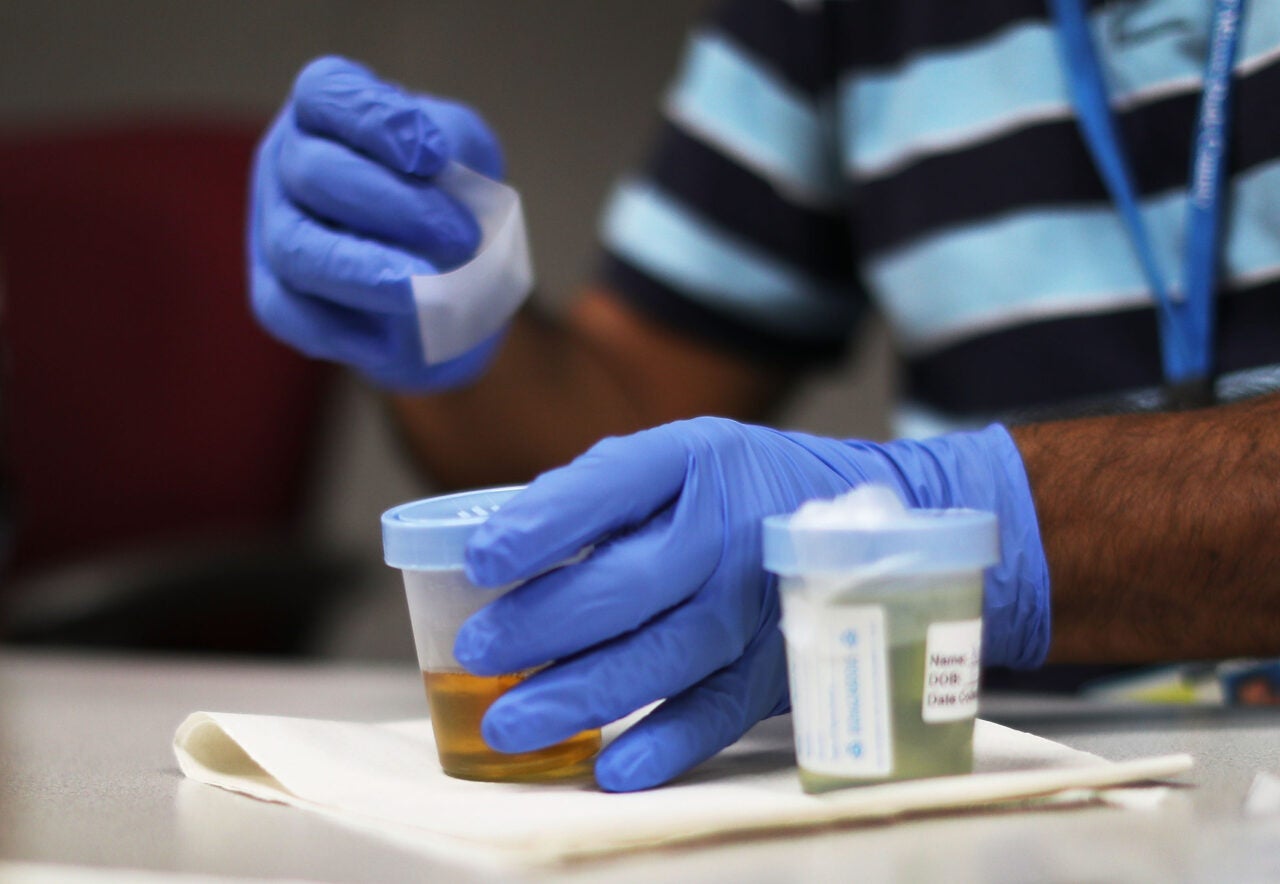
What makes albumin especially valuable as a biomarker is that it’s actionable. Lifestyle changes, better blood sugar control, and certain medications can lower albumin levels and reduce the risk of both kidney disease and cardiovascular disease. My goal is to identify people earlier using albumin, when there’s time to prevent serious complications.
My team also studies these diseases at the population level. We use routine clinical data and large national databases to better understand who is most at risk and to better understand how cardiovascular disease, kidney disease, and metabolic disorders affect long-term health. We’re also searching for blood protein markers using proteomics — the large-scale study of proteins, including their structures, functions, and modifications — that could identify kidney and cardiovascular disease even before today’s standard tests detect a problem.
HC: What inspired you to pursue a career in nephrology research?
AV: I grew up in India, and I’m the only physician in my family. I became interested in medicine and science by watching the Discovery Channel — there were series about the human genome project and other research happening in the U.S. that genuinely excited me. I was drawn less to practicing medicine and more to making new discoveries, and the U.S. offered real infrastructure to do both.
“What makes albumin especially valuable as a biomarker is that it’s actionable. Lifestyle changes, better blood sugar control, and certain medications can lower albumin levels and reduce the risk of both kidney disease and cardiovascular disease.”
Ashish Verma, MBBS, physician-scientist, nephrology, Boston Medical Center
When I went to Cincinnati for an elective rotation during my medical training, I met a nephrologist who was also a researcher. He took me to his lab and asked me a question I’ve never forgotten: “Do you want to spend your life reading science, or do you want to make new science?” That moment changed everything. I loved physiology and mathematics, and nephrology felt like a holistic field where, to really help a patient, you had to understand how the whole body worked together.
HC: What are the broader impacts of your nephrology research on patients and families?
AV: Early in my career, I was able to show that aldosterone — a hormone produced by the adrenal glands — plays a meaningful role in the progression of CKD. That work contributed to the development of a class of medications that act through this mechanism, improving outcomes for patients with diabetic kidney disease.
But my broader vision is about integration. Right now, a patient with diabetes, kidney disease, and heart disease might be managed by three separate specialists each focused on their own organ system. CKM syndrome gives us a shared language, and biomarkers like albumin give us shared tools. My main goal is to help close that gap, using simple, affordable tests to identify risk, track disease, and guide treatment across all three conditions. Patients in the early stages of CKM syndrome, whose cardiovascular risk is quietly accumulating while their lab values look borderline normal, are the people I am trying to reach, years before they have a heart attack or go into kidney failure, when there is still real opportunity to change the course of their disease.
This interview has been edited and condensed for clarity and length.
About the Author

Gina Mantica
Gina Mantica is the Senior Research Communications Manager at BMC.
Share on Social

Health equity news from Boston Medical Center
HealthCity is dedicated to sharing the most cutting-edge ideas for advancing health justice through inspiring stories, in-depth Q&As with equity pioneers, research news that could change the medical landscape, and more.