What Makes a Medical Breakthrough? Symposium Addresses How Cell and Gene Therapies Can Reach Everyone
October 21, 2026
By Gina Mantica
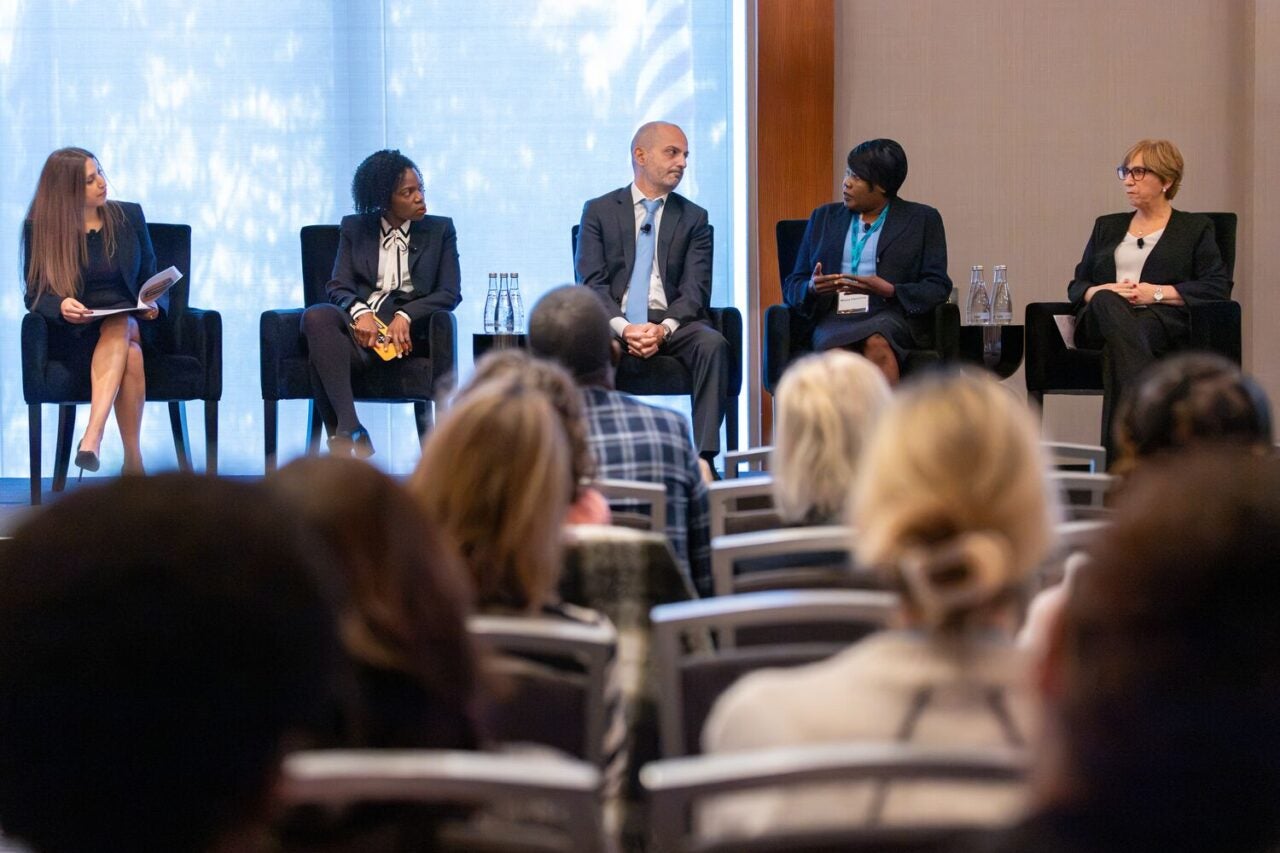
Jeff Fernandes, Boston Medical Center
Panelists (L to R) Rohita Sharma, MSc, PhD; Angela M. Moore, MPH; Fabio Petrocca, MD; Maryse Desrosiers; Kim Czubaruk, JD; speak at the BMC Health System Inclusive Research Symposium at EQTY 2026.
At BMC Health System's Inclusive Research Symposium, clinicians, scientists, industry leaders, and patient advocates came together around a shared goal: designing access, trust, and community partnership into cell and gene therapies from the very first decision.
A new cell or gene therapy can take decades to build and cost millions to deliver, but the hardest part may be making sure it actually reaches the people it was meant to help. That tension shaped the Boston Medical Center (BMC) Health System Inclusive Research Symposium at EQTY 2026, where clinicians, scientists, industry leaders, patient advocates, and policy leaders explored how to make emerging therapies accessible to every community.
As Johanna Chesley, MPH, executive director of the Center for Clinical Research Advancement at BMC Health System, put it, “A therapy that only some patients can reach is not yet a breakthrough.”
That idea shaped the day’s conversations: health equity must be built into research from the start, from treatment delivery and community partnership to how clinical trials define success.
Designing access into the therapy itself
The first design choice is the most fundamental: building access into the product from the start. CAR T-cell therapy has transformed treatment for blood cancers, offering remissions that once seemed impossible, but manufacturing complexity, site readiness, and cost have kept it concentrated at a handful of academic centers.
Expanding access means bringing treatment closer to patients, rather than expecting patients to travel long distances to reach it.
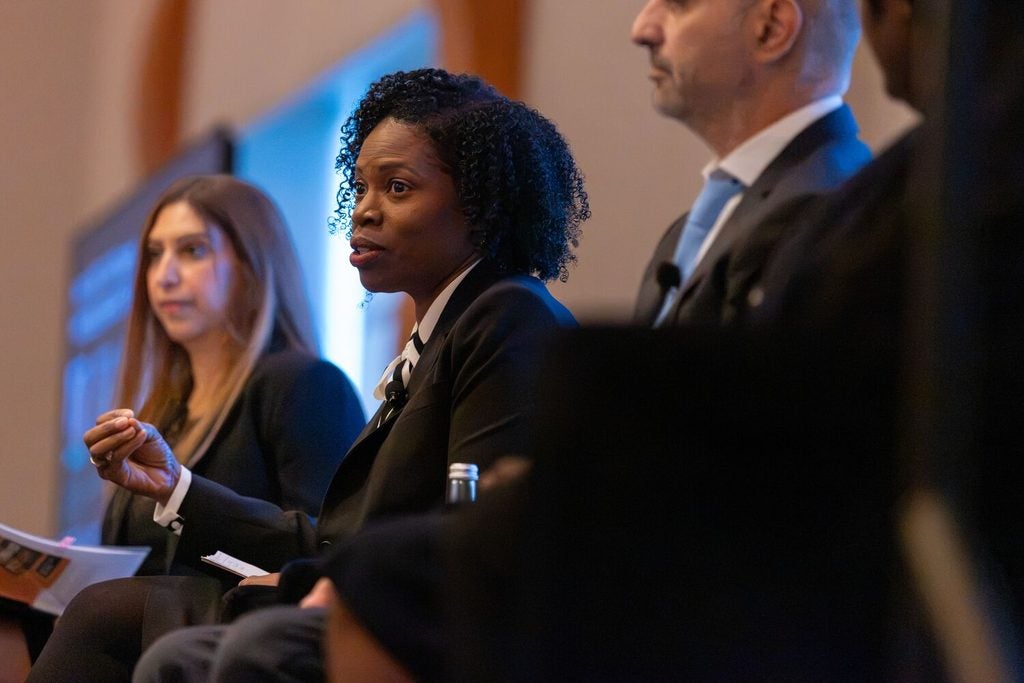
“We do know that there are, I’ll call it, CAR-T deserts that exist. If we partner with very well qualified, safe practices that could infuse, with the right staffing, in the community, industry can be at the forefront of helping those locations get ready,” said Angela Moore, vice president and US general manager of CAR-T immunology and oncology at Novartis. “We need to find the balance of going where the people are, because not everyone can make it somewhere else, and helping to deliver the medicine locally.”
That requires building the infrastructure for care, from apheresis to long-term follow-up, while also understanding the experiences and concerns of the communities these therapies are intended to serve.
Designing the community into the research
Sickle cell disease offers a powerful illustration of why that partnership matters. The disease has been historically underfunded relative to its burden, and it disproportionately affects Black individuals who have long been underrepresented in research. That imbalance has also shaped the pace of scientific progress. “There’s a 20 times discrepancy in terms of foundation funding for sickle cell research, despite the fact that sickle cell is three times more common than CF [cystic fibrosis]. I think that definitely had an influence on the pace of development,” said Naimish Patel, MD, Chief Medical Officer at CRISPR Therapeutics.
But scientific progress alone cannot overcome longstanding mistrust. At the symposium, Genetix Biotherapeutics brought Ese Sifo, a sickle cell warrior and advocate who received a curative gene therapy, to share his experience.
“The most common question I get from other sickle cell warriors is: Do you trust them? Do you think it’s actually going to work, or are they just taking your blood to use it and do something else? It sounds wild, but it’s not wild, because I know where this reservation comes from,” said Sifo, “What I truly want to see is that the gene therapy treatment is available not just to someone like me who is fighting and maybe doing some things right to fall in the right place.”
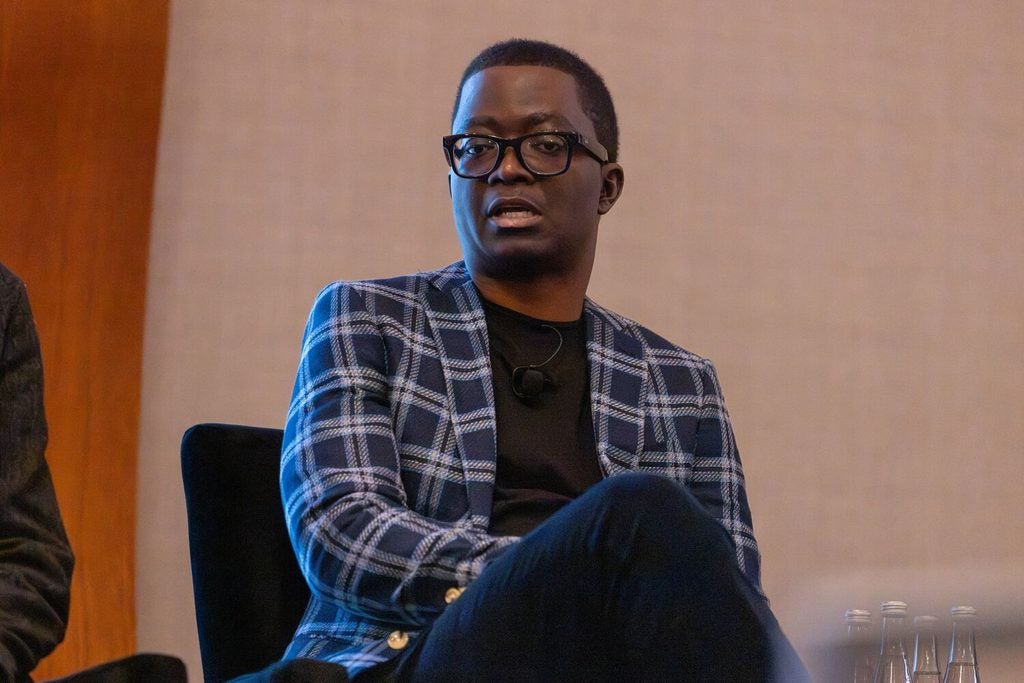
Sifo’s remarks underscored the importance of earning patients’ trust and ensuring access extends beyond those who happen to be in the right place at the right time. That same partnership must shape the research itself, including how clinical trials are designed and what they measure as success.
Designing the patient into the protocol
For people living with rare diseases, that distinction can be especially consequential. Rare diseases collectively affect more than 30 million Americans, yet each individual condition may affect relatively few people. Success means considering not only whether a treatment works, but also how it affects daily life and whether patients can realistically receive it.
Tracey Sikora, vice president of research and clinical programs at the National Organization for Rare Disorders (NORD), emphasized that meaningful patient partnership must begin before a protocol is finalized. “Early engagement is really key. Having a true partnership is really what develops excellent research design…The community is going to come in with a different set of experiences, skills, and will play a different role in developing that research. Establishing that early on will set you up for the best success,” said Sikora.
Michelle Boyer, PhD, global head of lymphoma/CLL clinical development at Genentech, offered an example of how patient needs shaped her team’s decision to develop two bispecific antibodies with different risk profiles and treatment settings.
“What we realized was, while one was probably more efficacious, it came with more toxicity. For very aggressive diseases, a patient might accept that when you talk about quality of life. But when you look at some of these very rare blood cancers, they’re more indolent, and these patients are older and they don’t want to be hospitalized and they don’t want to have to move to academic centers…So what really is important to the patients drove the design,” said Boyer.
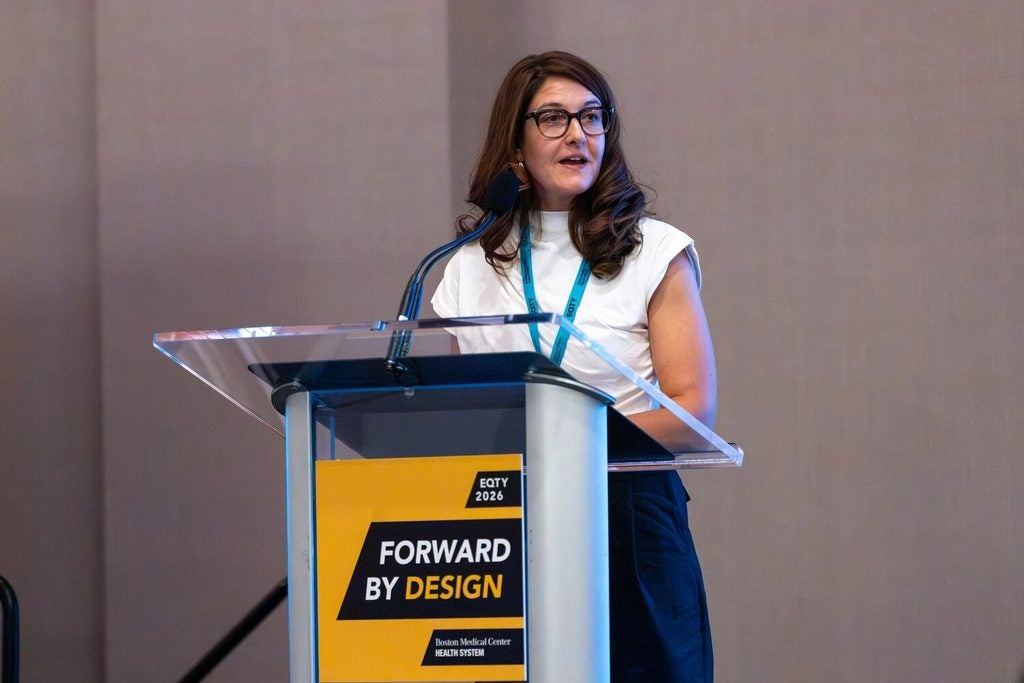
This example shows how patient partnership can influence not only treatment development, but also delivery, acceptable trade-offs, and measures of success. A breakthrough must work for patients in the context of their lives, not just in a clinical trial.
The throughline of inclusive research
Ultimately, the future of cell and gene therapy will depend on more than scientific progress. It will depend on whether access, trust, and patient partnership are built into the process from the beginning, so that breakthroughs can benefit the communities that need them most. For Maryse Desrosiers, a BMC patient who received CAR T-cell therapy for multiple myeloma in 2024, that promise comes down to making these treatments available to everyone who could benefit.
“Nobody wants to die. When they offered [CAR-T] to me, I said, okay, I will go for it — as long as they can make it a standard for everybody to benefit from it, I’m with you,” said Desrosiers.
About the Author
Gina Mantica
Gina Mantica is the Senior Research Communications Manager at BMC.
Share on Social

Health equity news from Boston Medical Center
HealthCity is dedicated to sharing the most cutting-edge ideas for advancing health justice through inspiring stories, in-depth Q&As with equity pioneers, research news that could change the medical landscape, and more.